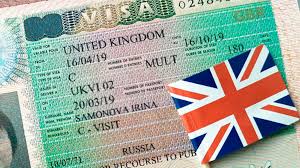
Nigeria and several African and Caribbean nations could face tighter visa restrictions to the United Kingdom if the right-wing Reform UK wins the next general election, following a controversial policy proposal targeting countries demanding reparations for slavery.
The proposal, reported by the Daily Mail, UK, on Monday, suggests limiting visa access for nationals of countries that have formally called on Britain to provide reparations for its role in the transatlantic slave trade.
These nations potentially affected include Nigeria, Jamaica, Kenya, Haiti, Guyana, Barbados and The Bahamas.
Defending the plan, Reform UK’s Home Affairs spokesman, Zia Yusuf, argued that Britain has already contributed significantly to global development and should not be pressured into reparations.
“A growing number of countries are demanding reparations from Britain. They ignore the fact that Britain made huge sacrifices to be the first major power to outlaw slavery and enforce this prohibition,” he said.
Yusuf added that over the past two decades, the UK has issued approximately 3.8 million visas and provided £6.6 billion in foreign aid to these countries, insisting that “enough is enough.”
TVC News Online reports that the proposal comes amid renewed global debate over reparations, intensified by a recent vote at the United Nations.
The UN General Assembly adopted a resolution describing the transatlantic slave trade and forced displacement of Africans as one of the “gravest crimes against humanity” and calling for reparation as justice.
The resolution, backed by many African and Caribbean States, including Ghana, passed with 123 votes in favour, three against, and 52 abstentions.
The United Kingdom abstained.
Leader of Reform UK, Nigel Farage, criticised the UN’s stance, rejecting any suggestion that Britain should apologise or make payments for historical slavery.
“It is now the UN telling us we should go bankrupt, to apologise for what people did centuries ago. Forget it. The UN has no legitimacy over this country whatsoever,” he said.
The party has also pledged to slash the UK’s foreign aid budget to £1 billion annually, a reduction of about 90 per cent from current spending levels.
However, the UK government has maintained a more measured position.
A spokesperson for the Foreign Office acknowledged the historical atrocities of slavery but reiterated that Britain’s stance on reparations remains unchanged.
Similarly, opposition leader Keir Starmer has ruled out both an apology and financial compensation, stating that his focus is on the future rather than the past.
Historical Context and Renewed Calls for Justice
The transatlantic slave trade, which spanned over four centuries, saw millions of Africans forcibly removed from their homelands and transported under brutal conditions to Europe and the Americas.
The system devastated families, disrupted societies, and entrenched inequalities whose effects persist to this day.
The moves and calls for reparations were led in the late 80’s and 90’s by late Nigerian Billionaire businessman and politician, Moshood Abiola, who was declared the winner of the 1993 presidential election.
In recent years, affected nations have intensified calls for reparations, arguing that the enduring economic and social consequences of slavery require redress.
Countries such as Ghana have taken a leading role in advocating for reparatory justice at the UN, pushing for formal apologies, restitution of cultural artefacts, and structured dialogue on compensation.
Regional blocs, including the Caribbean Community (CARICOM) and the African Union, have also advanced coordinated demands, framing reparations as essential to addressing historical injustices and promoting global equity.
The UN resolution adopted in March 2026 reflects growing international recognition of these concerns, formally classifying slavery and the trafficking of Africans as crimes against humanity and urging meaningful steps towards justice.