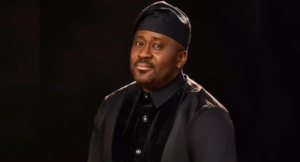

Gospel singer Joshua Mike-Bamiloye has dismissed allegations that Mount Zion Films portrays Yoruba culture and spirituality in a negative light, insisting that the Christian film ministry celebrates Yoruba heritage while promoting its faith-based message.
The debate erupted after Mount Zion announced that Agbara Nla, one of its most acclaimed productions, would return to cinemas on October 1, 2026, more than three decades after its original release.
Following the announcement, an X user identified as Ifẹ́ṣọlá accused the ministry of consistently depicting Yoruba spirituality as evil while elevating Christianity above indigenous beliefs. The user argued that audiences were increasingly questioning such portrayals.
Reacting to the criticism, Joshua, son of renowned evangelist Mike Bamiloye, said the claims misrepresented the work and message of Mount Zion Films.
READ ALSO: Making Films For YouTube Is Expensive, Bolaji Ogunmola Chides Critics
According to him, the ministry has consistently embraced and showcased Yoruba cultural elements, including language, traditional values, proverbs, colours and royal institutions.
ADVERTISEMENT
“Here we go again” and yet you couldn’t get through one paragraph without misrepresenting what Mount Zion actually does. Let me help,” he wrote.
“MZ doesn’t demonize Yoruba culture. It celebrates it; the colors, the language, the proverbs, the royalty. Eg. Abejoye became a born-again Christian while still speaking deep Yoruba, bowing before his king, and dropping proverbs that’ll make your grandfather nod. Nobody took his culture. The Gospel just took the throne in his heart.”
Joshua pointed to the popular character Abejoye as an example of how Mount Zion presents Christian conversion without abandoning cultural identity, arguing that the ministry’s emphasis has always been spiritual transformation rather than cultural rejection.
He also challenged the suggestion that the films frame Yoruba spirituality as being in conflict with a foreign religion, saying Mount Zion’s productions focus on a broader spiritual struggle.
“You framed this as ‘Yoruba spirituality vs foreign religion.’ We never did. We frame it as Light vs Darkness and Darkness has no nationality. We’ve called it out in boardrooms, cities, and yes, in the villages. Location doesn’t exempt it,” he added.
ADVERTISEMENT
Addressing accusations that the ministry profits from portraying traditional beliefs negatively, Joshua argued that such criticism overlooks the diversity of Mount Zion’s catalogue.
“Profiting from portrayals” MZ has 200+ films. Less than 30% are traditional settings. Your entire argument is built on a minority of the catalog, filtered through a lens of cultural grievance. That’s not analysis, that’s a feeling dressed up as a fact.”
He further urged critics to watch the complete films before forming conclusions about their themes and messages.
“People are asking questions? Good. Watch the films. The full ones. From start to finish,” he concluded.
The remastered version of Agbara Nla is scheduled for theatrical release on October 1, 2026, marking its return to the big screen more than 30 years after its debut.
ADVERTISEMENT