The federal government and the Republic of Finland have formalised a strategic partnership on digitalisation and innovation, signing a Memorandum of Understanding (MoU) aimed at expanding economic activities and strengthening cooperation in the digital sector.
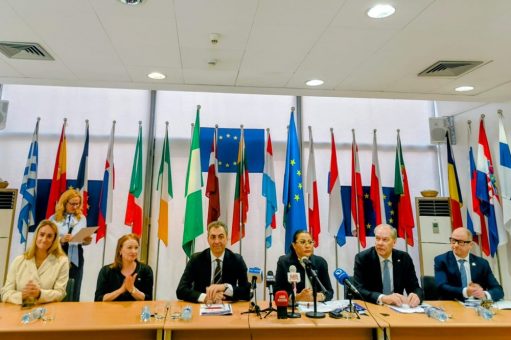
The agreement was signed in Abuja by the Minister of Communications, Innovation and Digital Economy, Bosun Tijani, and Mr. Jarno Syrjälä, Under‑Secretary of State (International Trade) at Finland’s Ministry for Foreign Affairs.
According to a statement from the Minister’s media aide, Isime Esene, the MoU will establish a framework for collaboration across key areas, including digital government, emerging technologies, digital public infrastructure, cybersecurity, innovation ecosystems, and capacity building.
READ ALSO: Lagos, Tech Firm Sign MoU to Boost Digital Learning Across Schools
Dr. Tijani described the signing as “an important step in strengthening the partnership between both countries as we work to build a more inclusive, innovation-driven digital economy.”
Read Also
He added, “This agreement is a significant next step following our engagements in Helsinki in February, where we met with key stakeholders including Finnvera and Finnfund, and held productive discussions on advancing collaboration around digital infrastructure, the Data Exchange Platform, and opportunities for Finnish participation in Project BRIDGE.”
The Minister emphasised that the partnership would “unlock meaningful opportunities for both countries, enabling us to leverage digital transformation as a catalyst for sustainable growth and shared prosperity.”
Echoing this optimism, Mr. Syrjälä said: “Finland is very pleased to deepen its partnership with Nigeria in building resilient, secure, and human‑centric digital societies. Digitalisation is at its best when it empowers people, strengthens trust, and creates new opportunities for innovation.”
He added, “Nigeria is a key partner for Finland in Africa, and this MoU provides a strong basis for concrete cooperation between our governments, institutions, and private sectors. Together, we can advance digital solutions that are interoperable, future‑fit, and beneficial to both our nations.”