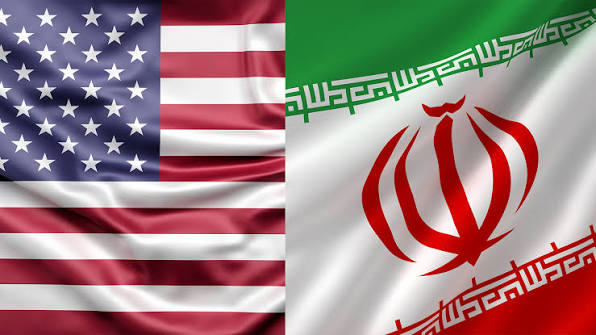
The United States and Iran have begun a new diplomatic push aimed at resolving long-standing disputes, including Tehran’s nuclear programme, after both sides agreed on a framework for negotiations and Washington temporarily relaxed sanctions on Iranian oil exports.
The breakthrough follows the signing of a memorandum of understanding last week, which established the basis for formal negotiations after nearly 40 days of conflict and a fragile ceasefire that has repeatedly come under strain.
Officials from both countries are expected to engage in 60 days of technical discussions in Switzerland in an effort to secure a lasting agreement.
Speaking at the Burgenstock resort in Switzerland, US Vice President J.D. Vance expressed optimism about the talks.
READ ALSO: Nigeria Customs to Retire 1,516 Officers Over Two Years – Report
“We laid a very good foundation for a successful final deal,” Vance said, adding that “the final deal is the house… We haven’t built the house, but we’ve laid a successful foundation to get to a good place for the American people”.
ADVERTISEMENT
In a significant move, the US Treasury announced a temporary suspension of sanctions on Iranian crude oil production, sales and deliveries until August 21.
US Treasury Secretary Scott Bessent said the decision was influenced by Tehran’s commitments during negotiations, including ensuring “free and open transit” through the Strait of Hormuz and allowing inspectors from the International Atomic Energy Agency (IAEA) access to the country.
The talks are expected to address some of the most contentious issues in US-Iran relations, particularly concerns surrounding Iran’s nuclear activities.
However, Iran indicated that discussions on the nuclear file remain at an early stage.
Iranian Foreign Ministry spokesman Esmaeil Baqaei said on Monday that “a very brief discussion took place regarding the nuclear issue, but there was no discussion of details”, stressing that substantive nuclear negotiations had not yet commenced.
ADVERTISEMENT
Vance, on the other hand, said Iran had agreed to permit IAEA inspectors to return, describing the move as “a major milestone… and the first step in permanently denuclearising” Iran.
Following the 2025 conflict involving Iran, Israel and the United States, Tehran reduced cooperation with the IAEA and restricted access to some nuclear facilities damaged during the fighting. While inspectors continued periodic visits, the last known inspection took place in November.
Read Also
Iran has not officially responded to Vance’s remarks regarding the inspectors.
The agreement is also expected to provide Tehran with some sanctions relief and access to previously frozen assets. Vance maintained that no assets had yet been released and insisted that any future funds would be directed toward purchases of American products.
He described the arrangement as “a classic Trump deal, where if Iranian assets are ever unfrozen, they’re going to go to make American farmers richer and to feed the Iranian people”.
ADVERTISEMENT
Regional security concerns also featured prominently in the negotiations. Fighting in Lebanon involving Israel and the Iran-backed Hezbollah had threatened to undermine the ceasefire in recent weeks, although the situation has remained relatively calm since Sunday.
Israeli officials have voiced reservations about the diplomatic process and have maintained that Israeli forces will remain in southern Lebanon while retaining the right to respond to perceived threats.
Mediators said Tehran and Washington have established direct communication mechanisms designed to prevent further escalation in Lebanon and ensure stability in the Strait of Hormuz, one of the world’s most important energy transit routes.
Iran briefly closed the strategic waterway during the conflict, disrupting global energy markets. Although Tehran announced another closure over the weekend following Israeli strikes in Lebanon, shipping data on Monday indicated that vessels were still passing through the strait.
Mediators from Pakistan and Qatar said negotiators had agreed on a “roadmap towards reaching a final deal within 60 days”, with technical discussions continuing throughout the week in Switzerland.
ADVERTISEMENT
They said “encouraging progress has been made,” including the creation of a communication channel to “avoid incidents and miscommunication” in the Strait of Hormuz.
The parties have also agreed to establish a “de-confliction cell” involving Iran, the United States and Lebanese authorities to help prevent renewed hostilities in Lebanon.
Meanwhile, Iranian Foreign Minister Abbas Araghchi highlighted the potential benefits of the emerging agreement, writing on social media:
“Oil and petrochem exports are waived, blockade lifted, some frozen assets released, and major reconstruction & development plan launched for Iran.”