Following the tragic passing of Nigerian music talent Ifunanya Nwangene, public discourse has shifted toward the life-and-death importance of snakebite preparedness and the critical window of time required to save victims.
Nwangene, a soprano singer with the Amemuso Choir, died on Saturday at the Federal Medical Centre (FMC), Abuja, after sustaining the bite.
Her death was confirmed in a statement by the choir’s Music Director, Sam Ezugwu.
“We regret to announce the sudden demise of our beloved soprano, Ifunanya Nwangene, who passed away on January 31, 2026, at the Federal Medical Centre following a snakebite,” the statement reads.
In the wake of her tragic death, Nigeria’s public health sector has come under fire for the chronic shortage of anti-venom across state-run hospitals and pharmaceutical outlets.
On Sunday, the Federal Medical Centre in Jabi issued a statement to clarify the circulating report on social media suggesting that the late singer, Ifunanya Lucy Nwagene, who tragically passed away following a snake bite incident at her home in Abuja, died due to the non-availability of anti-venom in the facility.
The hospital stated that the late singer, after a thorough but quick evaluation, suffered severe neurotoxic complications from the snake bite.
According to the statement, Singer Nwagene was received by the hospital experts when she was provided immediate and appropriate treatment, including resuscitation efforts, intravenous fluids, intranasal oxygen, and the administration of polyvalent snake antivenom.
FMC further stated that despite all efforts to stabilise her condition, and transfer to the Intensive Care Unit for further treatment, she experienced a sudden deterioration just before she moments before her transfer.
In the wake of the update provided by the FMC, questions continue to linger regarding the critical role of first aid in managing snakebite emergencies.
TVC News in this article, outlines basic life-saving first aid steps to administer to victims during emergency.
In a snakebite emergency, the primary goal is to keep the victim calm and still to slow the spread of venom while seeking immediate medical help.
Immediate First Aid Steps during emergencies:
Call for help: Contact emergency services or transport the victim to the nearest hospital immediately.
Keep still and calm: Movement increases blood circulation, which spreads venom faster. Have the victim sit or lie down.
Position the limb: Keep the bitten area at or below the level of the heart.
Remove tight items: Quickly take off rings, watches, or tight clothing near the bite, as the area will likely swell.
Clean gently: Wash the wound with soap and water if available, but do not flush it with high pressure.
Apply a pressure bandage (If possible): For neurotoxic snakes (common in Africa/Asia), wrap a broad bandage firmly around the entire limb (starting from the fingers/toes moving up), but not so tight that it cuts off blood flow.
What not to do during emergencies.
- Do not cut the wound or try to “suck out” the venom.
- Do not apply a tight tourniquet; this can cause tissue death and lead to amputation.
- Do not apply ice or immerse the wound in water.
- Do not give the victim caffeine or alcohol, as these speed up heart rate.
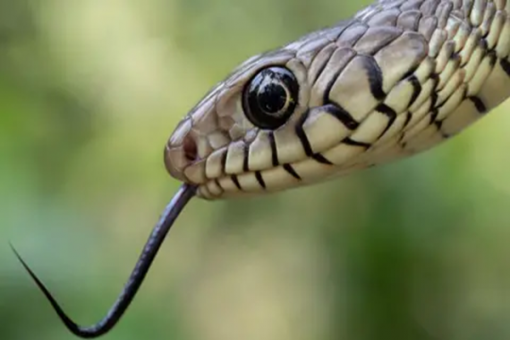
- Do not try to catch the snake. If it is dead, take a photo from a safe distance to help doctors identify the correct anti-venom.