The Nigeria Customs Service (NCS) has revealed that the Federal Government approved Import Duty Exemption Certificates (IDECs) worth about ₦34 trillion by 2025, with nearly 60 per cent of the waivers granted for military hardware to support Nigeria’s security operations.
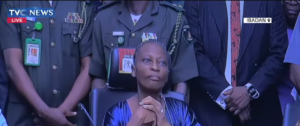
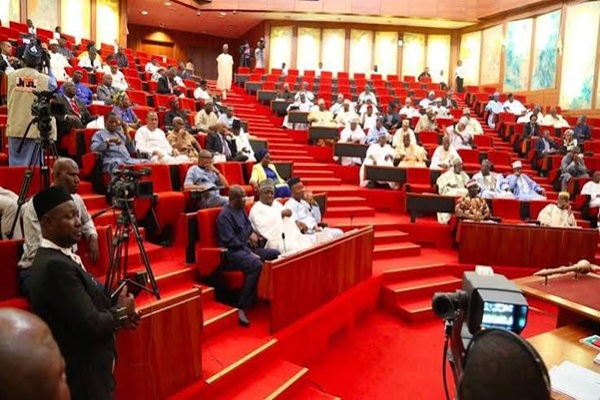
The disclosure was made on Monday by the Comptroller-General of Customs, Bashir Adewale Adeniyi, during an investigative hearing by the Senate Committee on Finance on the remittance of internally generated revenue and operating surplus into the Consolidated Revenue Fund (CRF).
The hearing also witnessed a warning by the Senate to several Ministries, Departments and Agencies (MDAs), including the Nigerian Civil Aviation Authority (NCAA), Small and Medium Enterprises Development Agency of Nigeria (SMEDAN), Industrial Training Fund (ITF) and the Federal Medical Centre (FMC), Jabi, over their failure to honour invitations to appear before the committee.
Chairman of the committee, Senator Sani Musa (APC, Niger East), warned that agencies that continue to ignore the summons could face legislative sanctions and possible referral to President Bola Tinubu for administrative action.
READ ALSO: Senate Approves N403.1B For Police Trust Fund
According to the committee, the investigation is examining the Federal Government’s issuance of Import Duty Exemption Certificates valued at approximately ₦34 trillion between March 2020 and December 2025, with a view to ensuring accountability and evaluating the impact of the fiscal incentives.
ADVERTISEMENT
Briefing lawmakers, Adeniyi explained that although the Nigeria Customs Service had recorded unprecedented revenue collections, government-approved waivers and exemptions had significantly affected its revenue potential.
“IDEC approvals reached about ₦34 trillion in 2025, about 60 per cent of which related to military hardware procurements that attracted duty exemptions because of Nigeria’s prevailing security challenges,” Adeniyi said.
Read Also
He added that other beneficiaries of the exemptions included imports of Compressed Natural Gas (CNG), electric and hybrid vehicles, healthcare equipment and medical supplies, industrial machinery, manufacturing inputs, as well as food commodities brought in under government intervention programmes.
“Other government-backed waivers included imports of CNG, electric and hybrid vehicles, healthcare equipment and medical supplies, industrial machinery and manufacturing inputs, as well as food import intervention programmes,” he said.
The Customs boss maintained that duty waivers were strategic fiscal policy tools designed to advance national priorities rather than simply reduce government revenue.
ADVERTISEMENT
He argued that the impact of such incentives should be measured beyond revenue forgone.
According to him, fiscal policy should not be assessed solely on the basis of revenue forgone but also on its contribution to industrial development, healthcare delivery, lower production costs and national security.
Adeniyi, however, called for stronger oversight to ensure companies and organisations benefiting from the waivers deliver on the objectives for which the incentives were granted, including lower consumer prices, increased local production and improved access to healthcare.
The Senate committee said its investigation would determine whether the tax incentives and duty exemptions granted by the Federal Government had achieved their intended economic objectives while ensuring transparency in the management of public resources.