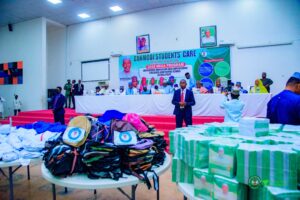
The Jigawa State Government says it has committed over ₦6.1 billion to reform and strengthen the Tsangaya system of education, as part of efforts to integrate Qur’anic learning into the formal education framework and address the Almajiri challenge.
The Executive Secretary of the Jigawa State Tsangaya Education Board, Abubakar Maje, disclosed this during an interactive session with Tsangaya scholars and teachers across the state.
According to him, the government approved ₦2.3 billion in the 2025 budget and an additional ₦3.8 billion in the 2026 budget to support the programme.
Jigawa State is home to about 1.3 million Almajiri students and over 4,000 Tsangaya schools, many of which face challenges of funding, structure, and qualified manpower.
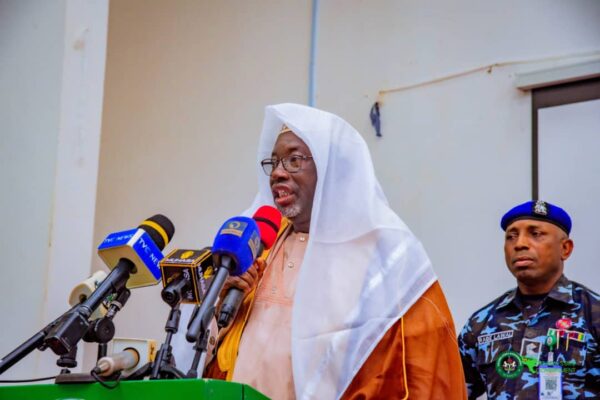
Speaking at the engagement, Governor Umar Namadi warned that leaving Almajiri children without a clear plan poses a serious risk, not just to Jigawa State, but to the nation at large.
Read Also
The governor stressed that Almajiri children are not out-of-school children, but students seeking Islamic education, who must be supported and guided through a structured system.
Governor Namadi reaffirmed his administration’s commitment to formalising Tsangaya education, combining Qur’anic studies with basic education skills to prepare the children for a productive future.
He also announced plans to employ 500 teachers, who will be deployed across Tsangaya schools in the state, and urged Tsangaya teachers to cooperate fully with the government to achieve lasting reforms.
With billions of naira committed, clear policies on the ground, and a focus on dialogue with Islamic scholars, Jigawa State says it is determined to turn Tsangaya education into a model that promotes learning, security, and national development.