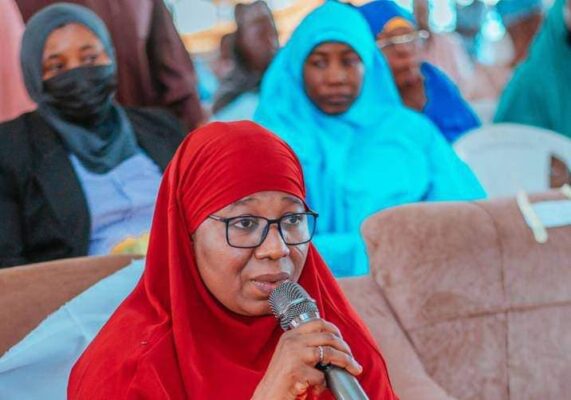
The First Lady of Jigawa State, Hajiya Hadiza Umar Namadi, has called for urgent community action against the diversion and sale of Ready-to-Use Therapeutic Food, known as RUTF, a life-saving treatment for severely malnourished children.
Hajiya Hadiza appealed while receiving a joint delegation from the United Nations Children’s Fund and the National Orientation Agency at the Government House in Dutse.
She described the diversion of the therapeutic food as heartbreaking, revealing that the state government, with support from partners including UNICEF, procured large quantities of RUTF worth millions of naira to treat sick and severely malnourished children.
According to the First Lady, some of the supplies are now being illegally sold in markets, shops and homes.
She explained that RUTF is not ordinary food but a medical nutrition therapy designed to save lives.
“It is meant strictly for vulnerable children and must remain free. When diverted or sold, a child’s chance of survival is taken away,” she said.
Health experts say a single carton of RUTF can complete the treatment of one severely malnourished child.
Read Also
Nigeria continues to face one of the highest burdens of child malnutrition globally, particularly in the North-West, making the protection of such supplies a matter of national concern.
The First Lady urged mothers, fathers, community leaders, health workers and traders to report anyone found selling or buying the product illegally.
“No mother deserves to lose a child because help meant for them was stolen,” she added.
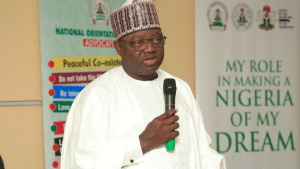
Also speaking, the Jigawa State Director of the National Orientation Agency, Ahmed Tijjani Ibrahim, said the visit was part of a joint advocacy campaign with UNICEF to mobilise public support against the diversion and vandalisation of RUTF supplies.
He commended Governor Umar Namadi for supporting public enlightenment efforts aimed at ensuring government interventions reach the intended beneficiaries.
Authorities warn that safeguarding RUTF is critical to reducing child mortality and achieving national health targets. Stakeholders say community vigilance, accountability and public awareness will be key to ensuring that life-saving nutrition support reaches the children who need it most.