The Federal Government has said its partnership with the Islamic Development Bank (IsDB) Group will mobilise large-scale investments across infrastructure, energy, agriculture and trade reforms, as Nigeria targets accelerated growth and a $1 trillion economy by 2030.
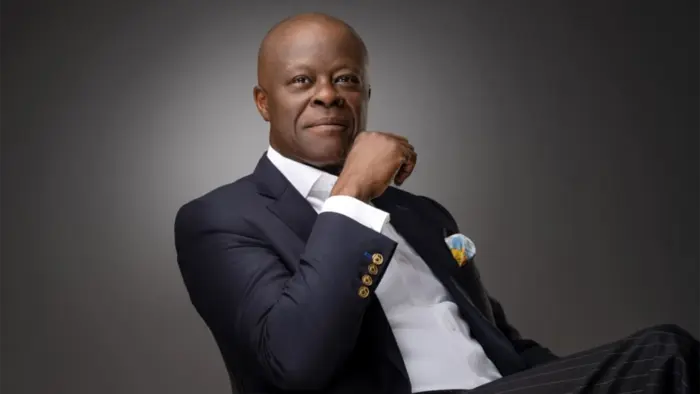
Speaking at the IsDB Group Day in Lagos, the Minister of Finance and Coordinating Minister of the Economy, Wale Edun, said the collaboration is designed to unlock energy access, boost food security, expand digital infrastructure, and modernise transport and logistics systems.
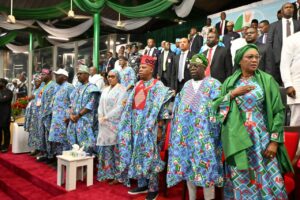
The event brought together senior government officials, private sector leaders, financial institutions, chambers of commerce, development partners, and international stakeholders to deepen collaboration and promote private sector-led growth.
Edun disclosed that Nigeria is addressing an estimated $14 billion annual infrastructure gap through new funding structures and strategic partnerships, adding that the country is transitioning from macroeconomic stabilisation to a phase of growth acceleration and investment mobilisation in 2026.
He stressed the need for increased domestic resource mobilisation, noting that overseas development assistance from advanced economies is declining.
“The journey towards a $1 trillion economy by 2030 requires capital with purpose—investments that bridge the gap between financial stability and tangible social outcomes,” he said.
Edun added that through the IsDB Country Engagement Framework (2026–2028), Nigeria aims to modernise infrastructure, industrialise agribusiness, and expand economic participation.
He also highlighted the use of Sukuk financing as a key tool for funding infrastructure while promoting inclusive and resilient growth.
The minister said Nigeria is positioning itself as a hub for innovative and ethical finance, leveraging Sukuk-backed instruments as an alternative to conventional debt.
He noted that the partnership is focused on unlocking private sector capital at scale, as global aid flows shrink and emerging economies face rising debt pressures.
According to him, Nigeria must increasingly rely on domestic resources, diaspora investment, and foreign direct investment to drive growth.
A major reform priority, Edun said, is the overhaul of Nigeria’s trade and port system through infrastructure upgrades and digitalisation.
He highlighted the rollout of a National Single Window platform to streamline trade documentation across multiple agencies.
Describing the initiative as pivotal, he said it would reduce bottlenecks, cut logistics costs, and improve efficiency, particularly for small businesses and exporters.
The reforms, he added, will enhance Nigeria’s competitiveness under the African Continental Free Trade Area (AfCFTA) and support export growth and regional integration.
Edun stressed that large-scale infrastructure projects, including highways, rail systems and port upgrades, are critical to achieving a medium-term growth target of seven per cent annually.
Also speaking, the Director-General of Country Programmes at the IsDB, Alassane Aissami, said the Bank is scaling up its engagement in Nigeria through a comprehensive, multi-sector development strategy.
He noted that economic transformation requires a system-wide approach, adding that the Bank now combines project financing with trade support, private sector investment, and risk mitigation tools.
Aissami described Nigeria as a strategic member and major shareholder of the Bank, with interventions spanning infrastructure, agriculture, energy, health, education and transport.
Similarly, the Head of IsDB Regional Hub Nigeria, Hammad Zafar Hundal, said the Country Engagement Framework (2026–2028) is designed to drive coordinated public and private sector investments aligned with Nigeria’s development priorities.
He said the framework will prioritise large-scale projects across transport corridors, energy systems, and social infrastructure to boost productivity and long-term growth.
Hundal added that financing will be channelled through key institutions such as the Bank of Industry, the Nigerian Export-Import Bank, and the Development Bank of Nigeria to support SMEs in agribusiness, manufacturing and export sectors.
He highlighted flagship projects including the Lagos–Calabar corridor and the Kano–Maradi corridor, aimed at strengthening connectivity, unlocking agricultural potential, and improving export access.
Overall, stakeholders said the Nigeria–IsDB partnership signals a coordinated push to scale infrastructure, unlock private capital, and modernise trade systems, positioning the economy for higher growth and increased participation in regional and global markets.