
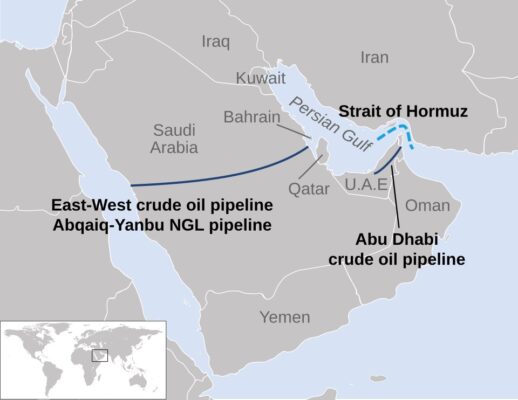
A fragile ceasefire between the United States and Iran appeared close to collapse after both sides exchanged fresh military strikes around the strategically important Strait of Hormuz, heightening fears of a wider conflict and disrupting global oil shipments.
Washington said it launched a new round of air strikes on more than 80 Iranian targets, including air defence systems, coastal radar sites, anti-ship missile capabilities and Revolutionary Guard boats, in retaliation for attacks on commercial vessels transiting the Strait of Hormuz.
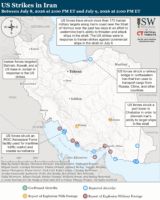
The US military accused Tehran of violating the ceasefire and threatening freedom of navigation through one of the world’s busiest energy corridors.
Iran condemned the strikes as a blatant breach of the ceasefire agreement, insisting it would respond decisively to what it described as American aggression while accusing Washington of undermining efforts to restore peace.
ADVERTISEMENT
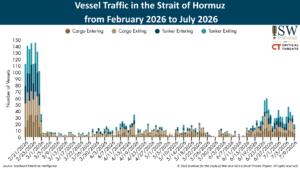
The renewed hostilities have severely disrupted shipping through the Strait of Hormuz, with tanker traffic falling sharply as insurers and shipping companies reassess the growing security risks.
The waterway carries around a fifth of the world’s seaborne oil, making any disruption a major concern for global energy markets.
Despite diplomatic efforts by regional mediators to salvage the truce, analysts warn that continued exchanges of fire could trigger a broader regional conflict, with potentially far-reaching consequences for global trade, oil prices and international security.