The Petroleum and Natural Gas Senior Staff Association of Nigeria (PENGASSAN) has warned that Nigeria’s oil and gas industry could face a wave of talent flight unless salaries are urgently adjusted to reflect current economic realities.
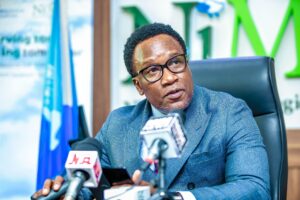
Speaking at a press conference in Abuja on Thursday following the union’s National Executive Council meeting, PENGASSAN President Festus Osifo said industry professionals are increasingly exploring opportunities abroad due to inflation and the weakening naira, which continue to erode their earnings.
Osifo stressed that Nigerian oil and gas experts are globally competitive and easily absorbed in international markets.
He said, “A drilling engineer in Nigeria performs the same tasks as one working in the U.S. or Abu Dhabi. If we fail to address wage disparities, what we’ve seen in other sectors will be a shadow of what will hit this industry.”
The PENGASSAN President noted that while the union has secured several collective bargaining agreements with government agencies, international oil companies, and service firms, many organisations are still delaying salary adjustments despite the rising cost of living.
Read Also
READ ALSO: Nigeria Greater Than PENGASSAN, Shettima Slams Union
“This industry recruits some of the best talent in the country. Companies cannot hold back on proper remuneration if they want to retain skilled workers,” he added, reaffirming the union’s commitment to defending workers’ jobs and improving welfare across the oil and gas value chain.
PENGASSAN also called on all levels of government to take active steps to ensure commodity prices remain manageable. Osifo emphasized that economic achievements mean little to citizens if they do not translate into lower food costs and improved living standards.
“People want food on their tables, not just macroeconomic figures,” he said, urging authorities to align fiscal and monetary policies to deliver real relief for households.
Highlighting the gap between official inflation figures and market realities, he said, “Today, yes, the inflation, we are still in numbers, they are coming down. But in the market, the prices are not coming down. When you go to the market with the sum of 100,000 Naira, what you will bring out is almost less than nothing. The government, from the federal to the state and to the local government, must do everything possible to ensure that the prices of commodities in the market are under control. They must ensure that farmers are able to return back to farms. Because it is when farmers go back to farms that they will be able to produce those food crops that could come to the market.”
Osifo also expressed concern over rising insecurity across the country, urging the government to move beyond issuing condemnations. “We are tired of condemnations. The government must expose those sponsoring insecurity and protect citizens,” he said, supporting calls for the establishment of state police as a measure to enhance community safety and enable farmers to return to their fields.
He warned that food inflation will persist as long as rural communities remain under threat.