
Nigeria is beginning to record early signs of recovery from a sweeping set of economic reforms introduced by President Bola Ahmed Tinubu, with officials expressing cautious optimism about the country’s outlook.
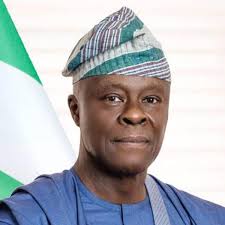
The Minister of Finance and Coordinating Minister of the Economy, Wale Edun, disclosed this during a press briefing on the sidelines of the Spring Meetings of the World Bank and the International Monetary Fund in Washington, D.C.
Edun said the administration’s policy direction since 2023 reflects a shift from short-term fixes to structural reforms aimed at building a more resilient and sustainable economy.
He noted that despite a challenging global environment marked by tighter financial conditions, trade disruptions and export uncertainties, Nigeria is focusing on disciplined economic management to stabilise growth.
ADVERTISEMENT
Key reforms, including foreign exchange market adjustments and the removal of fuel subsidies, are beginning to correct long-standing distortions, he said, adding that they are helping the economy better withstand external shocks.
While acknowledging that inflation remains elevated due to energy costs, food supply constraints and transportation challenges, Edun said the government is implementing targeted support measures for vulnerable groups, alongside initiatives to boost agricultural production.
On macroeconomic performance, the minister said growth has strengthened to above four per cent, external reserves are approaching $50 billion, and price pressures are beginning to ease. He added that Nigeria’s debt remains within manageable limits.
Edun also pointed to improving investor confidence, citing large-scale investments such as the Dangote Refinery and increased activity among small and medium-sized enterprises as signs of renewed economic momentum.
He expressed optimism that the reforms will drive faster growth and job creation across key sectors, including power, agriculture, infrastructure and technology.
ADVERTISEMENT
Meanwhile, Governor of the Central Bank of Nigeria, Olayemi Cardoso, said monetary authorities are aligned with the government’s reform agenda and remain focused on maintaining stability.
Cardoso disclosed that the ongoing bank recapitalisation programme has attracted about ₦4.65 trillion in fresh capital, with most financial institutions meeting new regulatory thresholds.
He stressed that policy consistency will be critical to sustaining investor confidence, adding that continued reforms are expected to stabilise the economy further and support long-term growth.