
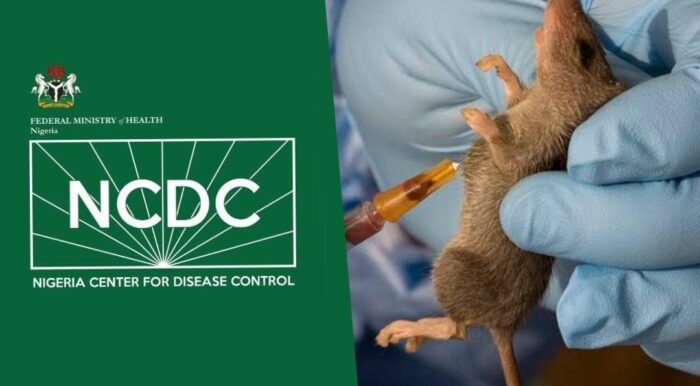
The Nigeria Centre for Disease Control and Prevention (NCDC) has launched nationwide surveillance following the reported outbreak of a Hantavirus cluster linked to cruise ship travel involving multiple countries.
In a Friday public health advisory signed by Director-General of the NCDC, Dr Jide Idris, the centre reassured Nigerians that there is currently no confirmed case of Hantavirus in the country, stressing that the overall risk to the public remains low.
The centre maintained that the event involves a limited number of confirmed and suspected cases associated with the cruise ship, noting that investigations and contact tracing are ongoing.
“The event involves a limited number of confirmed and suspected cases associated with the cruise ship, with investigations and contact tracing ongoing. Current reports indicate that the risk to the general public remains low,” Idris said.
According to the DG, the advisory became necessary due to growing global concern over the outbreak and the need for countries to remain vigilant against emerging infectious diseases.
ADVERTISEMENT
Idirs explained that Hantaviruses are primarily spread through bats and rodents, noting that humans can be infected through exposure to infected rodents, their urine, droppings, saliva, or contaminated dust particles.
The NCDC boss noted that symptoms of the infection include fever, fatigue, body aches, gastrointestinal symptoms, and in severe cases, respiratory complications and breathing difficulties.
“While some forms of Hantavirus infection can cause severe illness, the disease remains relatively rare,” he said.
Read Also
Idris disclosed that the current cluster has been linked to the Andes virus strain, which has previously demonstrated limited human-to-human transmission, especially through close contact.
The NCDC DG maintained that Nigeria had not recorded any case of the disease.
ADVERTISEMENT
“At this time, there is no evidence of Hantavirus cases in Nigeria. NCDC is closely monitoring the situation and maintaining surveillance for emerging infectious diseases,” he stated.
He said the agency had activated enhanced surveillance measures, saying, “NCDC is closely monitoring the situation and maintaining surveillance for emerging infectious diseases.”
The Director-General advised Nigerians to maintain clean surroundings, prevent rodent infestation, properly store food items, dispose of waste safely, avoid contact with rodents and their droppings, and maintain proper hand hygiene.
“NCDC continues to maintain surveillance systems for epidemic-prone and emerging infectious diseases, most of which are zoonotic and often transmitted by animals such as bats and rodents. We will therefore continue to monitor global developments closely,” Idris added.
The Centre urges members of the public to rely on verified information from official public health authorities
and avoid spreading unverified reports or misinformation.
ADVERTISEMENT