The Federal Executive Council (FEC) has approved the establishment of Tourism and Cultural Economic Zones across Nigeria’s six geopolitical zones and the Federal Capital Territory.
This initiative marks a major milestone in the country’s efforts to build a stronger, more inclusive tourism and cultural economy.
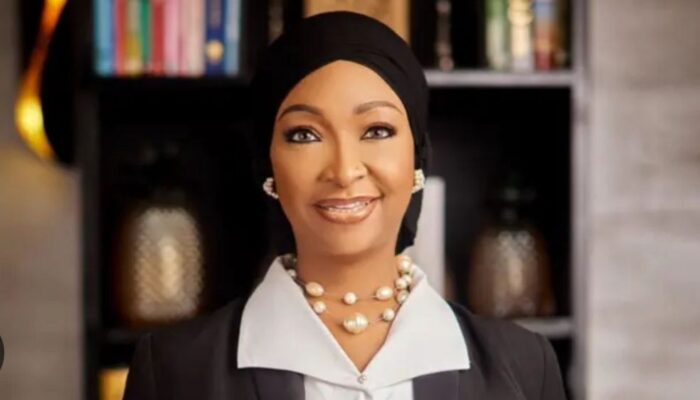
Honourable Minister of Art, Culture, Tourism and Creative Economy, Barrister Hannatu Musa Musawa, presented the initiative as part of the Ministry’s commitment to leveraging Nigeria’s rich cultural and tourism assets to generate jobs, attract investments, and expand economic opportunities nationwide.
The initiative aligns with President Bola Ahmed Tinubu’s Renewed Hope Agenda, which seeks to diversify Nigeria’s economy by strengthening non-oil sectors.
The Tourism and Cultural Economic Zones will focus on cultural preservation, tourism development, creative industries, and regional growth.
Each zone will be tailored to the unique heritage of its location, featuring cultural centres, tourism infrastructure, hospitality facilities, creative industry hubs, and visitor attractions that celebrate Nigeria’s diversity.
The zones are expected to support small businesses, create youth employment opportunities, and enhance Nigeria’s global tourism profile.
The initiative also involves collaboration with states rich in tourism potential, including Abia, Cross River, Delta, Kebbi, Kaduna, Plateau, Kano, Kwara, Lagos, Nasarawa, Ogun, Katsina, and Osun. These states will play key roles through land allocation, local partnerships, and state-level tourism development.
The Katsina Tourism and Cultural Economic Zone will highlight the state’s Islamic heritage, equestrian culture, and the Equestrian City project, home to the International Mounted Games Headquarters, positioning Katsina as a leading hub for heritage and equestrian tourism in West Africa.
The zones will complement ongoing national tourism projects, including the revitalisation of Obudu Cattle Ranch (Cross River), redevelopment of Yankari Game Reserve (Bauchi), establishment of the National Museum and Cultural Development District (Abuja), Abuja Creative City Centre at Idu, and the restored Wole Soyinka Centre for Culture and Creative Arts (Lagos).
Barrister Musawa explained that the model draws inspiration from successful global tourism destinations, emphasizing strategic planning, cultural storytelling, sustainability, and community participation.
She reaffirmed that collaboration between government, private sector partners, and local communities will be central to the initiative, fostering economic growth, national pride, and vibrant spaces for culture, creativity, and commerce.
With FEC’s formal approval, Nigeria is poised to enter a new era of tourism and cultural development, unlocking economic opportunities and solidifying its status as a top destination for culture, creativity, and experiential tourism.