
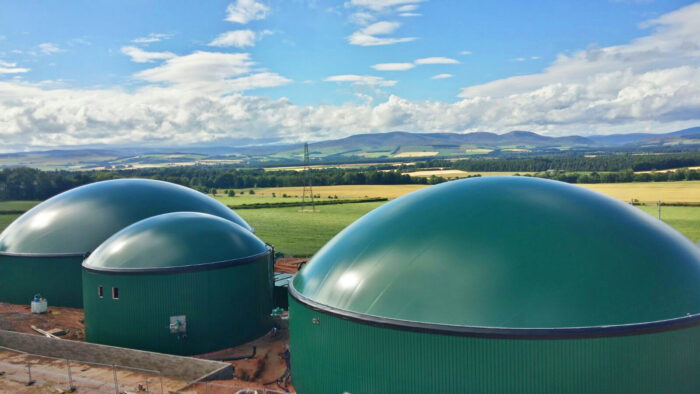
A leading mechanical engineer and researcher, Dr. Moses Oluwatobi Fajobi, has called for the widespread adoption of biogas technology as a sustainable solution to Nigeria’s persistent energy challenges. He noted that reliable and sufficient energy supply remains critical to national development, stressing that the country’s current energy mix is inadequate to drive economic growth and meet the needs of its population.
Fajobi highlighted Nigeria’s heavy dependence on fossil fuels, describing them as both environmentally harmful and increasingly unsustainable. According to him, the challenges associated with fossil fuel use—including climate change, environmental pollution, and health risks—underscore the urgent need for cleaner and renewable energy alternatives. He argued that biogas, derived from organic waste, offers a viable and environmentally friendly solution capable of transforming the nation’s energy landscape.
Explaining further, the researcher said Nigeria is richly endowed with biomass resources such as cow dung, agricultural residues, food waste, and municipal solid waste, most of which remain underutilized. He noted that with appropriate conversion technologies, these materials can generate significant amounts of energy, turning waste into wealth while addressing environmental concerns.
Fajobi’s advocacy is backed by his doctoral research, which investigated the biogas potential of locally available biomass including cow dung, mango pulp, and Chromolaena odorata leaves. He explained that these materials, often considered waste and improperly disposed of, can become valuable energy sources when processed through anaerobic digestion—a method that converts organic matter into biogas in an oxygen-free environment.
The study revealed promising results, showing that all tested biomass produced measurable amounts of biogas, with even higher yields recorded when combined. According to Fajobi, the most productive mixture—comprising 50 percent cow dung, 25 percent mango pulp, and 25 percent Chromolaena odorata—generated the highest biogas volume over a 40-day period. This, he said, demonstrates the strong potential of co-digestion in optimizing energy production.
ADVERTISEMENT
Read Also
Beyond laboratory findings, Fajobi emphasized the broader benefits of biogas adoption, including improved environmental sanitation, reduced greenhouse gas emissions, and enhanced energy access, particularly in rural communities. He noted that large-scale implementation could significantly reduce poverty and improve living standards across the country.
He also underscored the importance of government and institutional support, calling for policies that promote renewable energy adoption and subsidies to make biogas technology affordable. According to him, public awareness campaigns and training are essential to ensure safe handling and effective utilization, given the volatile nature of biogas.
In addition, Fajobi incorporated advanced technologies such as artificial intelligence and machine learning into his research to monitor key parameters like temperature, pressure, and gas yield. This innovation, he said, improves efficiency, reduces operational costs, and enhances the overall performance of biogas systems.
He concluded that embracing biogas production could revolutionize Nigeria’s energy sector, providing a cleaner, more sustainable, and economically viable alternative to fossil fuels. With the right policies and investments, he added, biogas has the potential to drive inclusive growth, support rural development, and position Nigeria on a path toward sustainable energy security.
ADVERTISEMENT