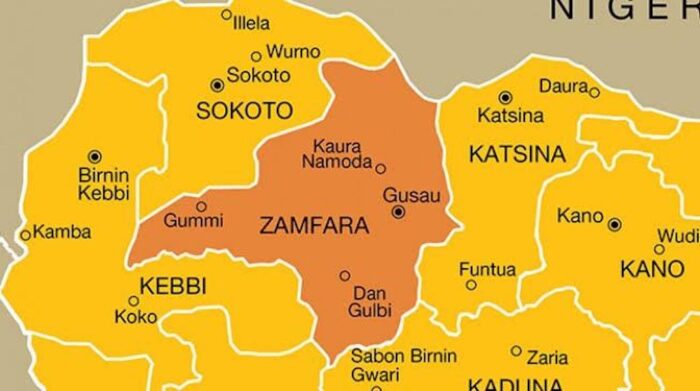
A coalition of 40 Islamic organisations under the Zamfara State Muslims League has criticised what it describes as growing external pressure from the United States on issues relating to Shari’ah and religious regulation in northern Nigeria.
In a statement issued at the weekend, the group accused the American Government of “meddling” in Nigeria’s internal affairs, alleging that recent comments and policy positions from Washington suggest an attempt to influence domestic religious frameworks.
The organisations referenced earlier remarks by US President Donald Trump, who had raised concerns about attacks on Christian communities in Nigeria and warned of possible sanctions.
The coalition also reacted to a recent engagement between some Nigerians in the US—led by Dr Ebenezer Obadare of the Council on Foreign Relations—and American lawmakers.
According to the group, the delegation urged the US Congress to press the Nigerian Government to prevail upon northern states to abolish Shari’ah law and the Hisbah religious enforcement bodies.
The Zamfara Muslims League described the request as “misguided”, arguing that Shari’ah has constitutional backing as part of Nigeria’s plural legal system, which also recognises common law and customary law.
The group said the framework applies only to Muslims and has never been imposed on non-Muslims.
It added that state assemblies, not the Federal Government, hold the powers to legislate on matters such as Shari’ah and related institutions.
It further contended that blasphemy laws enacted in some northern states were designed to maintain public order.
The coalition stressed that the Hisbah, where operational, functions as a non-armed moral policing institution and should not be linked with security challenges in parts of the North.
The Muslim groups also called on President Bola Tinubu, federal lawmakers, governors and traditional rulers to resist what they termed “external pressure” on Shari’ah-related matters.
They urged Muslim political representatives to ensure that the constitutional rights of adherents are upheld.
While reiterating their support for the continued operation of Shari’ah in the 12 northern states where it is practised, the organisations maintained that decisions affecting the system must remain within Nigeria’s sovereign democratic structures.