The General Officer Commanding (GOC) of the Nigerian Army’s 6 Division, Maj.-Gen. Emmanuel Emekah, has announced that the Division recorded no cases of pipeline vandalism within its operational jurisdiction throughout 2025.
Emekah made the disclosure on Tuesday in Port Harcourt while hosting defence correspondents on a media tour of the Headquarters of 6 Division and the Land Component of Operation DELTA SAFE.
The Army chief attributed the achievement to a combination of proactive security measures, intelligence-driven operations and effective collaboration with relevant stakeholders in the Niger Delta region.
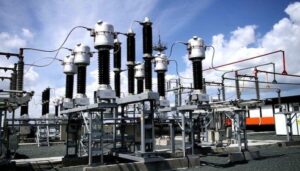
He explained that consistent patrols, strong community relations and joint efforts with other security agencies played a crucial role in safeguarding critical oil and gas infrastructure.
“Since I assumed command on Jan. 24, 2025, we have recorded zero cases of violent pipeline vandalism. No oil company operating within our Area of Responsibility has reported any breach of pipelines due to vandalism within this period,” Emekah said.
The GOC further noted that improved security in the region had positively impacted Nigeria’s crude oil output. According to him, national production, which previously fluctuated between 1.4 million and 1.5 million barrels per day, rose significantly to about 2.2 million barrels per day by December 2025.
He stressed that protecting strategic national assets in the maritime and oil and gas sectors remained the core mandate of the Division, adding that the performance of the oil industry was a major benchmark for evaluating its success.
READ ALSO: Army Denies Reports of Mutiny Threat Over Salaries
Emekah also clarified that not all oil spill incidents in the Niger Delta were the result of sabotage. He stated that many leakages were caused by ageing infrastructure and were promptly referred to oil companies for necessary repairs.
On the issue of illegal refining, the Army commander disclosed that operations against crude oil theft and artisanal refining were being intensified. He said efforts were focused on dismantling illegal facilities, disrupting criminal networks and preventing the resurgence of such activities.
He added that ongoing dialogue with host communities and mediation between them and international oil companies had helped reduce tensions and prevent disruptions to operations.
Also speaking at the event, the Director of Defence Media Operations, Maj.-Gen. Michael Onoja, highlighted the importance of the media in promoting national security objectives.
Read Also
He described journalists as “partners in progress” and commended the leadership of the 6 Division for organising the engagement in a transparent and professional manner.
Onoja noted that the media tour demonstrated the Armed Forces’ commitment to openness and accountability in its operations.
He emphasised that information management had become a critical element of modern warfare and warned against narratives that could undermine military efforts.
“In line with Section 22 of the 1999 Constitution, the Armed Forces of Nigeria remain committed to transparency and accountability.
“The confidence and trust of the civilian population are critical to operational success,” he said.
The defence spokesman further reminded military personnel that their conduct in the field, particularly at checkpoints, could have far-reaching implications for public perception and operational effectiveness.
He urged troops to maintain professionalism, discipline and restraint at all times.
Onoja also paid tribute to members of the Armed Forces and other security agencies, including the Nigeria Police Force, for their sacrifices and dedication under challenging conditions.
He stressed that addressing Nigeria’s security challenges required collective effort and called on communities and the media to play constructive roles.
Describing the Niger Delta as vital to Nigeria’s economic stability, he declared that peace and security in the region must remain a national priority.
Onoja concluded by urging continued cooperation between journalists and the military, noting that accurate and responsible reporting was essential for achieving national security goals.