
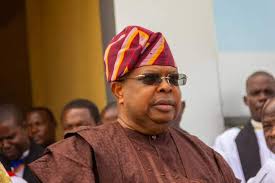
The Chairman of the National Tax Policy Implementation Committee (NTPIC), Joseph Tegbe, says the Nigerian Tax Reform Acts 2025 mark a major step toward building a resilient and sustainable economy.
In an article published in several national newspapers, Tegbe described the reforms as a comprehensive overhaul of Nigeria’s fiscal framework, aimed at creating a modern, efficient and transparent tax system that supports long-term growth and shared prosperity.
He explained that the new tax laws are anchored on four strategic pillars: reconnecting the economy to the state, standardising and modernising fiscal administration, promoting predictability, and redefining the fiscal social contract between government and citizens.
“By broadening the tax net, simplifying rules and strengthening administration, the reforms create a more predictable fiscal environment that supports both businesses and households,” he said.
Tegbe, who is also Director-General of the Nigeria-China Strategic Partnership (NCSP), noted that the reforms were influenced by global best practices, citing examples from South Korea, Singapore and Rwanda, where effective tax reforms have driven economic growth and improved living standards.
He added that the Acts include protections for low-income earners and small businesses. These include a zero personal income tax threshold for individuals earning up to ₦800,000 annually, as well as expanded zero-rated Value Added Tax (VAT) coverage for key sectors such as healthcare, education and agriculture.
“By easing the tax burden on low-income earners and small enterprises, the reforms aim to protect livelihoods, encourage formal participation and allow businesses to grow organically,” he said.
The Acts also prioritise technology-driven tax administration through the introduction of electronic invoicing to enhance compliance, transparency and efficiency while reducing administrative costs.
Tegbe emphasised that effective implementation and continuous stakeholder engagement would be critical to the success of the reforms.
He said full implementation is expected to stabilise the fiscal environment, improve the ease of doing business, attract foreign investment, protect key sectors and create jobs.
“We are confident that these reforms will unlock new opportunities for businesses, investors and entrepreneurs, and contribute meaningfully to the growth and development of the Nigerian economy,” he stated.