British Prime Minister Keir Starmer has moved to contain growing pressure within the Labour Party after poor local election results triggered fresh calls for his resignation.
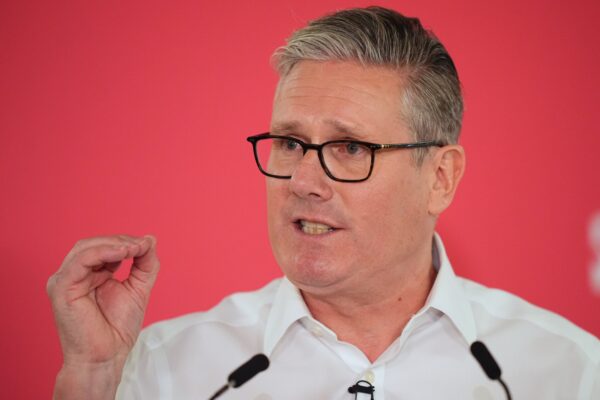
Speaking in London on Monday, Starmer sought to reassure party members and voters that his government could still reverse its declining fortunes, insisting he would prove critics wrong despite mounting discontent within Labour ranks.
“I know I have my doubters and I know I need to prove them wrong, and I will,” Starmer said during the speech.
The British leader also pledged to convince millions of voters “tired of a status quo that has failed them” that Labour remained committed to addressing their concerns.
ADVERTISEMENT
READ ALSO: UK Visit: Tinubu Meets British PM, Starmer
The speech came days after Labour suffered major losses in local elections across England as well as legislative contests in Scotland and Wales, results widely interpreted as a referendum on Starmer’s leadership less than two years after the party’s landslide general election victory.
The setbacks have intensified divisions within Labour, with several lawmakers openly demanding that Starmer announce a timetable for his exit.
Labour lawmaker Catherine West, who had threatened to trigger a leadership challenge, said she would suspend immediate action following the speech but still urged Starmer to step down before September.
Read Also
Former Deputy Prime Minister Angela Rayner also warned that the party was facing its “last chance” to reconnect with voters.
Although Rayner stopped short of directly demanding Starmer’s resignation, she accused the administration of overseeing “a toxic culture of cronyism” and called on the government to “stay true to Labour and social democratic values”.
ADVERTISEMENT
Starmer, however, insisted Labour was engaged in “a battle for the soul of our nation,” while warning that Britain risked heading down “a dark path” if Reform UK, led by Nigel Farage, eventually takes power.
As part of efforts to regain momentum, Starmer announced plans to strengthen ties with the European Union, saying Britain must be placed “at the heart of Europe” despite the country’s exit from the bloc six years ago.
He also unveiled plans to nationalise parts of British Steel in a move aimed at protecting industrial jobs in regions where Labour has recently lost support to Reform UK.
Starmer’s government has faced criticism over rising living costs, slow economic growth, policy reversals and pressure on public services, challenges that have contributed to a sharp decline in his popularity since taking office.
The prime minister is expected to outline further legislative priorities during the State Opening of Parliament, where Charles III will present the government’s agenda.
ADVERTISEMENT