Wheat farmers in Jigawa State are abandoning wheat cultivation for onion and watermelon farming following a sharp drop in wheat prices, raising fresh concerns over Nigeria’s food security and the future of the National Wheat Development Programme.
Farmers say a 100kg bag of wheat that sold for about ₦150,000 during the 2024–2025 harvest season now goes for between ₦47,000 and ₦52,000, despite heavy government investment in the sector.
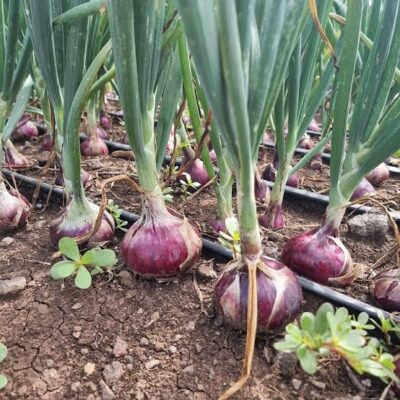
Speaking in Guri Local Government Area, onion farmer Maimai Musa Marma said the price crash has forced many wheat farmers in the area to change crops.
READ ALSO: Flood-Hit Onion Farmers Get Lifeline as FG Launches NADF Intervention in Kebbi
According to him, over 80 percent of wheat farmers in Jigawa have shifted to onion and watermelon farming, warning that the trend could undermine President Bola Tinubu’s National Wheat Development Programme and worsen food insecurity.
ADVERTISEMENT
Another farmer, Malam Baffa from Hadejia, confirmed he has suspended wheat farming entirely, blaming the situation on poor market pricing.
Farmers lament that while fertilizer, pesticides, seeds, and labour costs remain high, wheat prices have dropped by about 60 percent, making the business unsustainable.
Agricultural experts warn that continued decline in wheat production could trigger a wider food crisis, given wheat’s importance in Nigeria’s daily diet.
Read Also
Jigawa State is one of Nigeria’s leading agrarian states and a major hub of the National Wheat Development Programme, which was officially flagged off in the state in 2023.
At the launch in Hadejia, the Minister of Agriculture and Food Security, Abubakar Kyari, announced plans to cultivate 100,000 hectares of wheat nationwide, while the Jigawa State Government committed 40,000 hectares to the programme.
ADVERTISEMENT
Governor Umar Namadi said the initiative aligns with his administration’s 12-point agenda, aimed at food security, economic diversification, and citizen empowerment.
Farmers acknowledged receiving substantial support, including tractors, improved seedlings, fertilizers, and pest control chemicals at subsidized rates.
One beneficiary, Sabiu Ibrahim, said farming inputs worth over ₦300,000 were sold to farmers for just ₦80,000, describing the intervention as commendable.
However, farmers insist that without a guaranteed and profitable market price, government support alone will not sustain wheat production.
They are now calling on the federal and state governments to urgently stabilize wheat prices, protect farmers’ investments, and safeguard Nigeria’s food security goals.
ADVERTISEMENT