
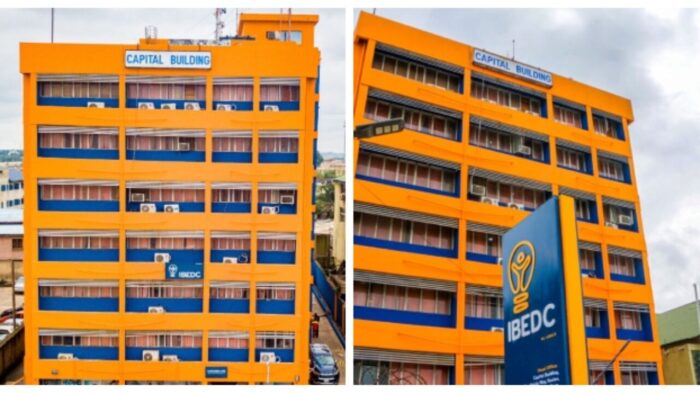
The Ibadan Electricity Distribution Company Plc (IBEDC) has apologised to customers for ongoing power supply disruptions across its franchise, attributing the outages to nationwide generation challenges and rising electricity demand.
The statement, issued on Saturday by IBEDC’s Public Relations Officer, Daniel Adugbo, explained that shortages of gas supply to power plants have limited generation capacity, forcing increased load shedding in affected areas.
“Energy allocation from the national grid has remained unstable and subject to periodic declines, creating a wider gap between available supply and customer demand,” Adugbo said.
He noted that electricity consumption within the IBEDC franchise has risen significantly in recent months, particularly following the addition of more Band A feeders, in line with regulatory directives.
Read Also
- IBEDC Warns Public of Fraudulent SMS Promising Electricity Bill Refunds
- Licenced Electrical Contractors protest, accuse IBEDC of exploiting Customers
- Iree town laments prolonged epileptic power supply, accuses IBEDC of exploitation
- Update: IBEDC restores electricity to parts of UCH following minister’s intervention
READ ALSO: IBEDC Warns Public of Fraudulent SMS Promising Electricity Bill Refunds
“As a result, some communities within our franchise are experiencing supply shortfalls. We fully understand the frustration this has generated among our customers and sincerely apologise for the disruption to homes, businesses and economic activities,” Adugbo added.
The spokesperson acknowledged that the erratic power supply had sparked protests in certain communities and appealed for calm, urging residents to engage in dialogue rather than demonstrations.
“We appeal to our valued customers and communities to embrace dialogue rather than protest. IBEDC has been engaging community leaders and stakeholders across our coverage areas to foster mutual understanding and work towards sustainable solutions,” he said.
Adugbo reassured the public that the company has begun working with stakeholders across the power value chain to address the imbalance in energy allocation, restore grid stability, and improve electricity supply.