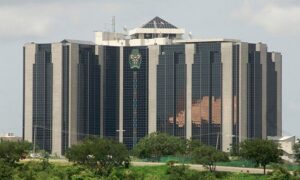
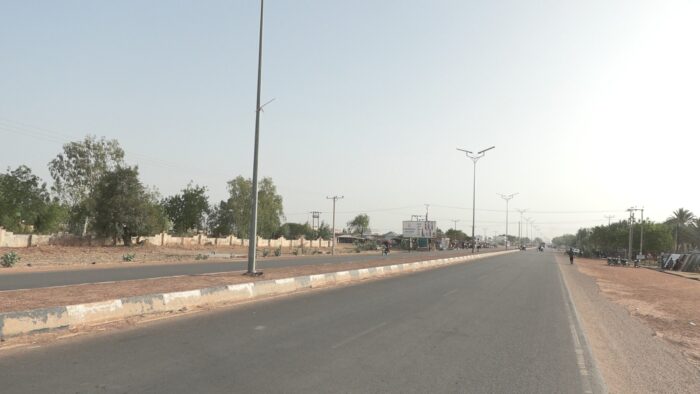
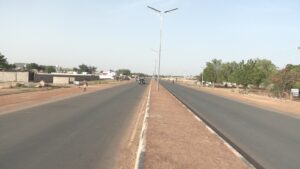
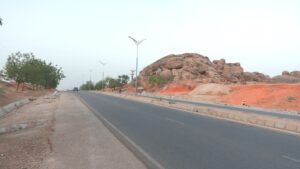
Roads across Jigawa State are unusually quiet as the pump price of petrol surges to nearly ₦1,500 per litre, forcing commuters to stay home and transport operators to suspend services.
The sharp increase in fuel price is taking a visible toll on daily life.
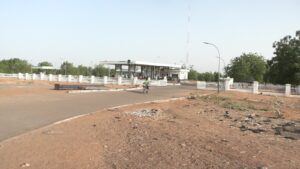
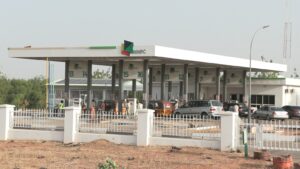
At some filling stations operated by the national oil company, petrol now sells for about ₦1,369 per litre, while many independent stations dispense between ₦1,420 and ₦1,500 with no uniform price across outlets.
As a result, movement has slowed dramatically.
Many workers say they now limit how often they go to work because transport fares have doubled or even tripled.
Commercial drivers also report a steep drop in passengers.
Several say they spend hours at motor parks without getting enough commuters to justify a trip.
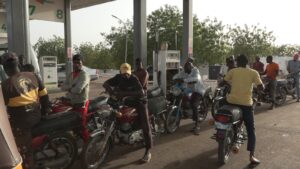
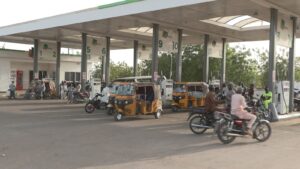

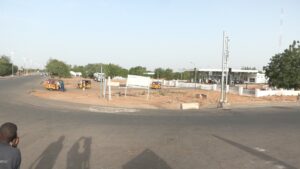
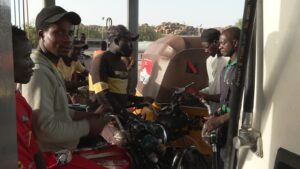
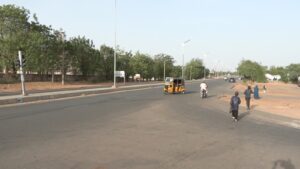
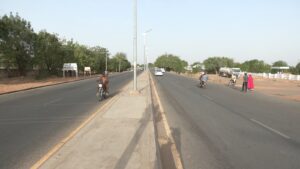
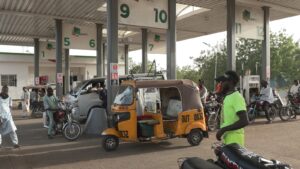
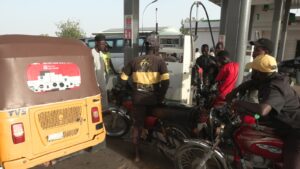
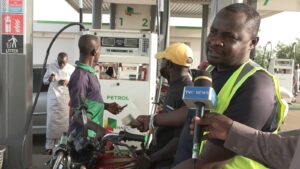

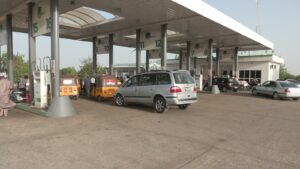
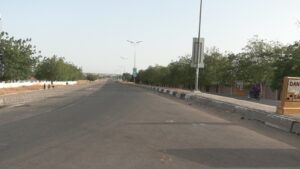
“No passengers, no business. We just park and wait,” Musa Umar driver in Jigawa State.
“Transport work is becoming impossible.”
Passengers, on the other hand, say the rising fares are unbearable amid stagnant incomes and high food prices.
The situation highlights a broader cost-of-living crisis.
Higher fuel prices affect not only transportation but also food distribution, electricity generation for small businesses, and household expenses.
Expert on Development Economy who is also a senior lecture at Federal University DUTSE Prof. Bashir Yunus warn that persistent increases could slow economic activity, reduce productivity, and deepen poverty, particularly for low-income earners who depend on daily movement for survival.
With petrol prices approaching ₦1,500 per litre and no single pricing structure nationwide, residents in Jigawa are bracing for tougher days ahead.