Nigeria’s tourism sector is set to receive stronger legislative backing as the House of Representatives Committee on Delegated Legislation has reaffirmed the National Assembly’s commitment to reforms that will unlock the sector’s full economic potential.
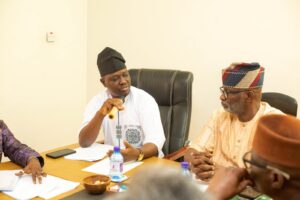
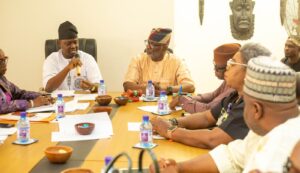
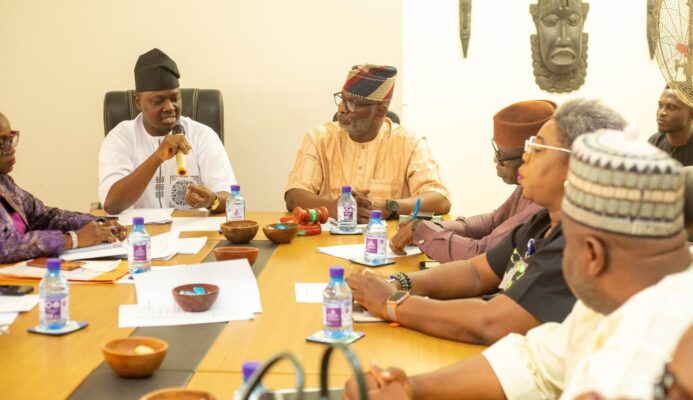
This assurance was given by the Chairman of the Committee, Rt. Honourable Richard Olufemi Bamisile, PhD, during a familiarisation visit to the Nigerian Tourism Development Authority (NTDA) in Abuja.
Hon. Bamisile described the visit as timely and strategic, noting that the Committee is constitutionally mandated to oversee statutory instruments, regulations, guidelines and orders issued by Ministries, Departments and Agencies (MDAs) to ensure they reflect the intent of enabling laws, promote good governance and do not impose unnecessary burdens on citizens.
According to him, the engagement was not intended as a fault-finding mission but as a foundation-building exercise aimed at fostering partnership, mutual understanding and effective oversight between the legislature and the executive.
“Tourism is not merely about leisure; it is a powerful catalyst for economic growth, job creation, social cohesion and international diplomacy. It tells our story, shapes our image and unlocks opportunities in every corner of our nation,” Bamisile said.
He explained that the Committee’s visit was designed to gain first-hand insight into NTDA’s operational framework, achievements and challenges, while also examining existing regulations guiding the tourism sector and their alignment with Nigeria’s broader legislative landscape. He added that the Committee is keen to understand practical challenges facing the sector, including funding constraints, infrastructure gaps, security concerns and global competitiveness.
The Committee Chairman assured the Authority of legislative support in reviewing obsolete regulations, advocating for improved budgetary provisions and strengthening laws that protect Nigeria’s heritage sites and intellectual property within the tourism ecosystem.
In his response, the Director-General of NTDA, Dr. Olayiwola Awakan, expressed appreciation for the visit, stressing that legislation remains central to the Authority’s mandate.
“The success of NTDA cannot be written without legislation. It is the foundation upon which our mandate to regulate, develop and promote tourism in Nigeria rests,” Dr. Awakan stated.
Read Also
He described Nigeria as a country richly endowed with cultural, traditional and natural tourism assets, noting that the Authority’s activities align with President Bola Ahmed Tinubu’s economic diversification agenda and the promotion of Public-Private Partnerships (PPP), with tourism positioned as a key driver of GDP growth.
Dr. Awakan highlighted challenges associated with the implementation of the NTDA Act, particularly the need for clearer coordination within the tourism governance framework amid evolving judicial interpretations on asset control at sub-national levels. He referenced the Supreme Court judgment placing tourism assets under state jurisdiction and noted that ongoing efforts by the National Assembly to move tourism from the residual list to the concurrent list would enhance collaboration, policy clarity and balanced development across states.
Since assuming office in October 2025, the Director-General disclosed that NTDA has intensified collaboration with sister agencies, state governments and the private sector, recognising tourism as a private sector-driven industry. He cited partnerships with the National Information Technology Development Agency (NITDA) to digitise airport tourism information desks, engagements with the Ministry of Foreign Affairs to showcase market-ready destinations at Nigerian foreign missions, and collaborations with the Federal Airports Authority of Nigeria (FAAN) and the Nigerian Civil Aviation Authority (NCAA) to strengthen NTDA’s presence at airports.
He also revealed ongoing partnerships with states such as Katsina, Nasarawa and Niger, while identifying funding as a major constraint, noting that countries that invest strategically in tourism are already recording significant economic returns.
Dr. Awakan further highlighted initiatives including the inauguration of a public-private sector committee to coordinate Nigeria’s participation in international tourism markets and expos, as well as the launch of the Naija Flavour Project in December 2025 to promote Nigeria’s food, arts, fashion, music, theatre and cultural identity globally.
While acknowledging that the NTDA Act of 2022 is still undergoing activation and refinement, the Director-General expressed optimism that sustained legislative support would address existing gaps and accelerate sectoral growth.
“With your support and collaboration, we are confident that tourism in Nigeria will soon deliver tangible results for the economy and national development,” he said.
The visit ended with both the House Committee and the NTDA reaffirming their commitment to sustained dialogue and collaboration aimed at positioning tourism as a major pillar of Nigeria’s economic prosperity and national pride.