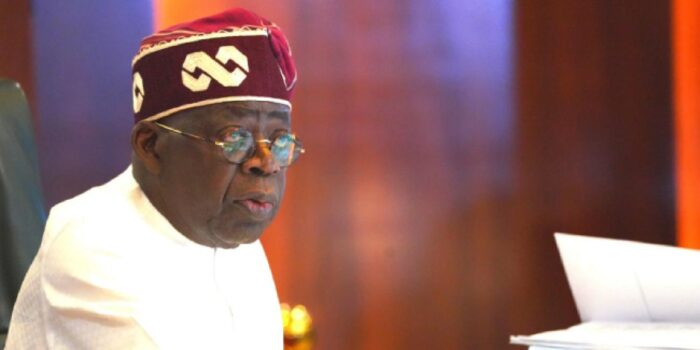
The Federal Government under President Bola Ahmed Tinubu is negotiating a fresh $1.25 billion loan from the World Bank as Nigeria’s total public debt approaches ₦161 trillion.
The proposed facility is tied to programmes focused on macroeconomic reforms, economic stabilisation, investment climate improvements, and job creation, according to government sources.
If approved, the loan would rank among the largest secured under the current administration, following sweeping policy changes including fuel subsidy removal and foreign exchange liberalisation.
The development comes on the heels of an earlier $1 billion facility — the Nigeria Actions for Investment and Jobs Acceleration programme — also backed by the World Bank to support reform implementation and stimulate private sector growth.
ADVERTISEMENT
Latest data from the Debt Management Office shows that Nigeria’s total public debt stood at ₦159.28 trillion as of December 31, 2025.
This comprises ₦84.85 trillion in domestic debt and ₦74.43 trillion in external debt.
At prevailing exchange rates, the additional $1.25 billion borrowing could add roughly ₦1.6 trillion to the country’s debt stock, pushing total obligations close to the ₦161 trillion mark.
The rising debt burden comes amid mounting fiscal pressure, with Nigeria’s debt servicing costs for 2026 already projected at ₦15.81 trillion.
The outlook is further complicated by persistent inflation, naira depreciation, and worsening cost-of-living challenges across the country.
ADVERTISEMENT
Economic analysts say while concessional loans from institutions like the World Bank typically offer lower interest rates and longer repayment periods, concerns remain over Nigeria’s growing debt profile and its implications for fiscal sustainability.