
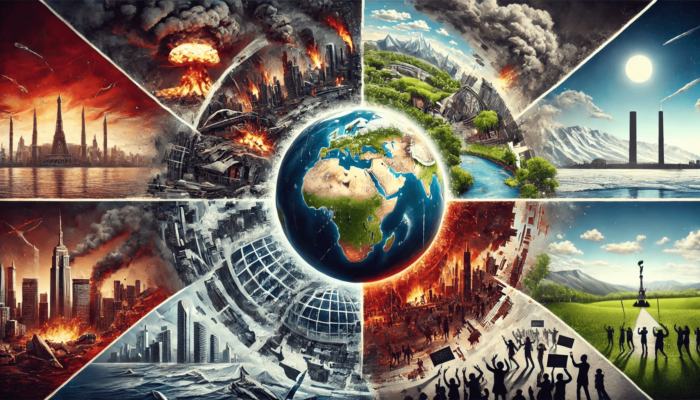
As 2025 comes to a close, the world reflects on a year marked by unprecedented challenges and transformative events, ranging from extreme climate disasters and historic economic shifts to mounting geopolitical tensions and significant cultural and technological breakthroughs.
Across the globe, millions were affected by severe cyclones, floods, and wildfires that devastated communities and caused billions of dollars in damages, highlighting the urgent threat of climate change.
Economies grappled with historic monetary policy changes as major central banks implemented aggressive interventions to stabilise growth, while diplomatic and security challenges, from conflicts in Sudan and the Middle East to international counter-terrorism efforts in Africa shaped global relations.
Meanwhile, breakthroughs in space exploration, artificial intelligence, and cultural initiatives underscored humanity’s resilience and innovation, even as nations like Nigeria played a pivotal role in regional security, economic reforms, and cultural diplomacy, demonstrating the interconnectedness of global events in shaping 2025.
The global stage was further shaken when U.S. President Donald Trump’s administration reignited tensions with Nigeria by raising concerns over alleged violence against Christians, placing the country on a watchlist and threatening military action
Global Climate Disasters Dominate Headlines
The year saw series of devastating weather events, including cyclones, floods, and wildfires, emerge as some of the costliest climate-related disasters on record, resulting in over $120 billion in insured losses and displacing millions of people across the globe.
Particularly affected regions included Southeast Asia and the United States, where the intensity and frequency of these disasters highlighted the escalating impacts of climate change on vulnerable communities and critical infrastructure, emphasising the urgent need for global action.
Economic Policy Shifts and Central Bank Action
Major central banks in the U.S. and Europe executed historic monetary easing measures, cutting interest rates sharply in response to slower growth and shifting economic pressures, marking one of the most significant global policy shifts in over a decade.
Donald Trump’s Interference in Nigeria
The year also saw heightened diplomatic tensions when US President Donald Trump publicly criticised Nigeria’s handling of Christian communities and threatened military involvement if alleged abuses continued.
READ ALSO: 10 Must-Watch Movies for 2025 Christmas, New Year Holidays
This intervention drew strong pushback from Nigeria’s government, which reaffirmed its sovereignty and demanded that any international assistance respect national law and procedures, underscoring the complex balance between foreign pressure and domestic security policy.
Ongoing Security Issues in Nigeria
Domestic security challenges also made headlines. A suspected suicide bombing at the Al-Adum mosque in Maiduguri, Borno State, killed at least five worshippers and injured dozens more, underscoring the ongoing threat from violent extremist groups in northeastern Nigeria.
Nigeria’s Role in Global Security Operations
Nigeria became a focal point in international counter‑terrorism efforts. US‑backed airstrikes targeted Islamic State‑linked militant camps in northwest Nigeria’s Sokoto State in December, with the Nigerian government confirming cooperation and shared intelligence in the operation.
The strikes, seen as part of a broader counter‑terrorism strategy, highlighted growing U.S.‑Nigeria security collaboration amid rising concerns about jihadist movements across the Sahel.
Diplomacy and International Relations
Globally, diplomatic efforts to stabilize conflict zones and promote peace were prominent throughout the year, from African peace plans to diplomatic engagements aimed at resolving conflicts in various regions.