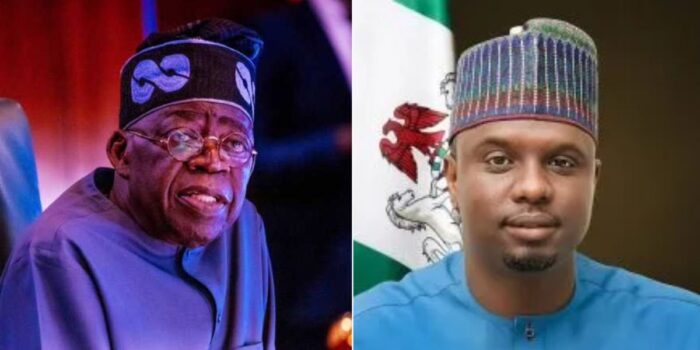
Former Managing Director of the Rural Electrification Agency (REA), Ahmad Salihijo, has commended President Bola Ahmed Tinubu for what he described as a renewed and strategic push to expand electricity access to rural and underserved communities across Nigeria.
0Salihijo, who led the agency during a critical phase of its expansion drive, praised the Tinubu administration’s commitment to sustaining and scaling rural electrification projects, noting that improved access to power remains central to economic growth, job creation, and poverty reduction.
According to him, the current rural electrification drive reflects a clear understanding of the transformative role electricity plays in unlocking the potential of small businesses, healthcare facilities, schools, and agricultural value chains in remote communities.
He urged Nigerians, particularly community leaders and private sector players, to support the Federal Government’s efforts by embracing off-grid and renewable energy solutions being deployed under the initiative. He stressed that collaboration between government, investors, and host communities would be key to ensuring the sustainability of rural power projects.
Salihijo noted that the ongoing drive builds on institutional reforms and partnerships established in recent years, adding that continuity in policy direction would help Nigeria close its electricity access gap more rapidly.
Read Also
He further highlighted the importance of decentralized energy systems, including mini-grids and solar home systems, in delivering faster and more reliable electricity to areas not currently connected to the national grid. Such interventions, he said, are critical to stimulating rural enterprises and improving living standards.
While acknowledging existing challenges in the power sector, Salihijo expressed optimism that sustained political will, transparent implementation, and community ownership would accelerate progress.
He called on state governments, development partners, and financial institutions to align with the Federal Government’s vision to ensure that no community is left behind in the quest for universal electricity access.
Salihijo concluded by encouraging Nigerians to view rural electrification not just as a government project, but as a national development priority capable of reshaping the country’s socio-economic landscape if fully supported.