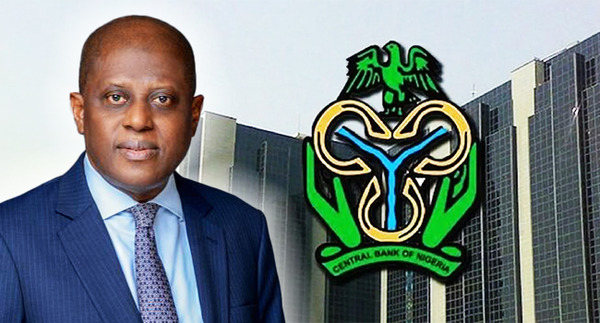
Foreign investors accounted for 28 per cent of the capital raised in Nigeria’s ongoing bank recapitalisation exercise, the Governor of the Central Bank of Nigeria (CBN), Olayemi Cardoso, has said.
According to a statement from the CBN on Wednesday, Cardoso disclosed this while speaking at the Africa Capital Forum in London on the sidelines of President Bola Ahmed Tinubu’s state visit to the United Kingdom. He noted that the level of foreign participation reflects renewed confidence in Nigeria’s financial system and the broader economy.
According to the CBN governor, the recapitalisation programme has recorded significant progress, with more than 30 banks already meeting the new minimum capital requirements, while verification is ongoing for others. He described the outcome as a strong endorsement of ongoing monetary and financial sector reforms.
He said, “About 28 per cent of investment in the recapitalisation came from foreign sources.”
Cardoso explained that recent policy measures introduced by the apex bank have strengthened the resilience of Nigeria’s financial system and improved its capacity to withstand external shocks. He added that reforms in the foreign exchange market have enhanced transparency and liquidity, making it easier for investors and businesses to operate.
He further noted that the CBN is working to establish a more predictable and transparent policy environment, aimed at minimising discretion and restoring credibility. This, he said, is critical to sustaining investor confidence and attracting long-term capital inflows.
The governor also highlighted improvements in key macroeconomic indicators, including declining inflationary pressures and increased exchange rate stability. He said these developments, alongside reforms in the oil sector and rising domestic investment, are positioning Nigeria for sustained economic growth.
Cardoso assured investors that the Central Bank would remain committed to maintaining stability, improving communication, and strengthening institutional frameworks to guard against past policy inconsistencies.
Read Also
He further explained that diaspora remittances had grown significantly, helping diversify the country’s foreign exchange reserves, which are now more resilient to global volatility.
“Our focus going forward is to protect the hard-earned stability we have accomplished so investors and stakeholders can plan with confidence,” he said.
He added that collaboration between monetary and fiscal authorities remains essential, noting that closer coordination would support sustainable growth and enhance the effectiveness of ongoing reforms.
Cardoso confirmed that inflation had fallen sharply, exchange rate stability had improved, and reforms had positioned Nigeria’s economy “for significant growth driven by domestic investment, oil sector reforms, and renewed global trust. We will continue to maintain stability, not only on inflation, but in the FX market, with more transparency and consistent reporting.”
On inflation, he said the CBN would remain vigilant to ensure inflation is managed as effectively as possible.
The Governor noted that Nigeria’s macroeconomic reforms have shifted the country from a phase of stabilisation to one of capital mobilisation, encouraging investors to see Nigeria as “an economy to watch very closely” as its growth drivers deepen and its banking system becomes one of the strongest in Africa.
Also speaking on the Bank’s policies, Cardoso said the Management was reviewing them with a view to developing meaningful policies and establishing a predictable policy framework to minimise discretion.
Highlighting the Bank’s digital finance agenda, Cardoso said the CBN was working closely with Nigeria’s fintech sector to address regulatory and operational bottlenecks and support innovation that strengthens financial inclusion across Africa.