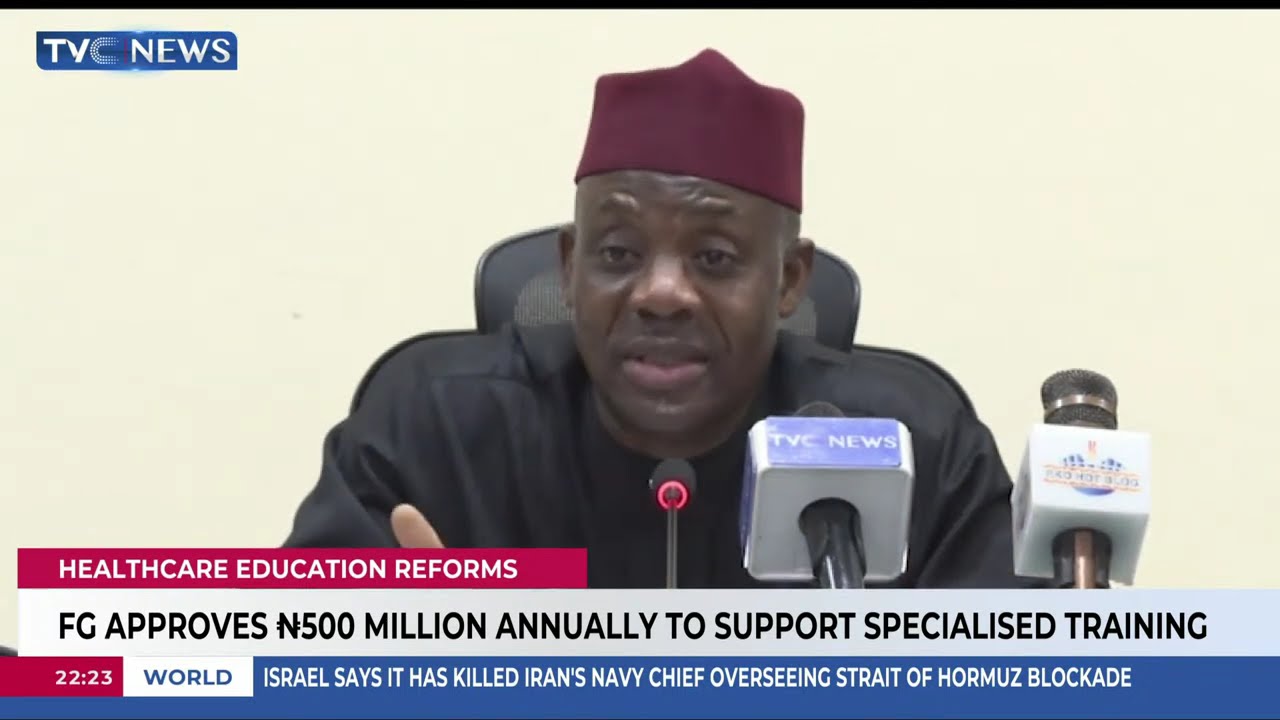
The Federal Government has appointed and inaugurated former Edo State governorship aspirant, Dr Victoria Omua Amu, as Chairman of the National Committee for the Advancement of Occupational Therapy, Audiology and Speech Therapy Education (NCAOTASTE), in a move aimed at strengthening Nigeria’s specialised healthcare education system.
The appointment, approved by the Minister of Education, Tunji Alausa, is seen as part of ongoing efforts by the Federal Government to address critical manpower gaps in allied health professions and improve the quality of healthcare delivery across the country.
In her acceptance speech, Dr Amu expressed profound gratitude to the Minister for the confidence reposed in her, describing the appointment as both an honour and a call to national service. She pledged to discharge her responsibilities with integrity, diligence, and a strong sense of purpose, noting that the assignment comes at a crucial time when Nigeria must prioritise specialised healthcare education.
She emphasised that occupational therapy, audiology, and speech therapy remain underdeveloped but essential components of Nigeria’s healthcare system, with significant roles in rehabilitation, inclusion, communication, and human development. According to her, strengthening these disciplines through structured education and training will enhance early diagnosis and intervention for developmental and communication disorders.
Dr Amu assured that under her leadership, the committee would foster collaboration among stakeholders, including universities, regulatory bodies, professional associations, and international partners. She added that such synergy is necessary to develop globally competitive academic programmes and ensure standardisation across institutions.
ADVERTISEMENT
She further disclosed that the committee would focus on facilitating the development and accreditation of robust bachelor’s degree programmes in the three specialised fields, in line with global best practices. This, she noted, would not only improve healthcare outcomes but also contribute to job creation and reduce the growing trend of medical tourism among Nigerians.
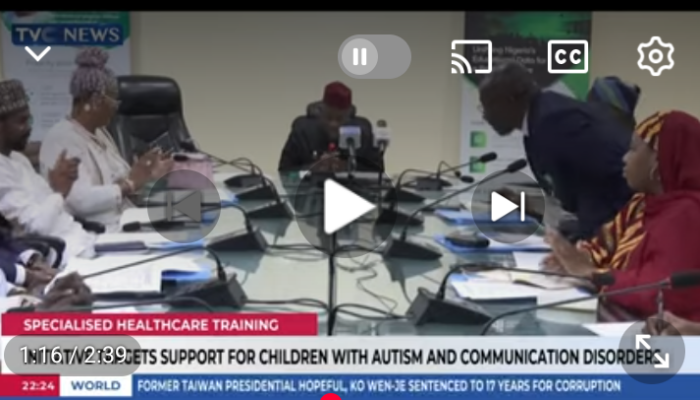
At the inaugural meeting of the committee, which has now been formally constituted and sworn in, the Chairman highlighted the urgency of its mandate, stressing the need to bridge existing gaps in training, regulation, and institutional capacity.
She described the meeting as a significant milestone in repositioning allied health education in Nigeria, noting that the committee would undertake a comprehensive review of current manpower levels, academic structures, and global standards in the relevant fields.
“Our task is clear—to develop forward-looking academic standards, define curriculum structures, and establish effective clinical training pathways that align with international benchmarks while addressing Nigeria’s unique realities,” she stated.
Dr Amu urged members of the committee to approach their assignment with collaboration, professionalism, and commitment to excellence, adding that the outcome of their work would shape national policy and impact generations of healthcare professionals.
ADVERTISEMENT
Deliberations at the meeting, according to her closing remarks, were productive and focused on identifying critical gaps as well as setting up frameworks for sustainable development in occupational therapy, audiology, and speech therapy education.
She revealed that technical sub-committees had been established to drive specific aspects of the mandate, with clear timelines and deliverables designed to ensure efficiency and accountability.
The Chairman reiterated that the success of the initiative would depend on the collective commitment of all stakeholders, including government institutions, academia, and the private sector.
Industry observers note that the establishment of NCAOTASTE aligns with broader reforms in Nigeria’s health and education sectors, particularly in expanding access to specialised care and improving human capital development.
With the committee now fully operational, expectations are high that its recommendations will provide a roadmap for strengthening allied health education and enhancing the quality of life for millions of Nigerians who depend on these critical services.
ADVERTISEMENT