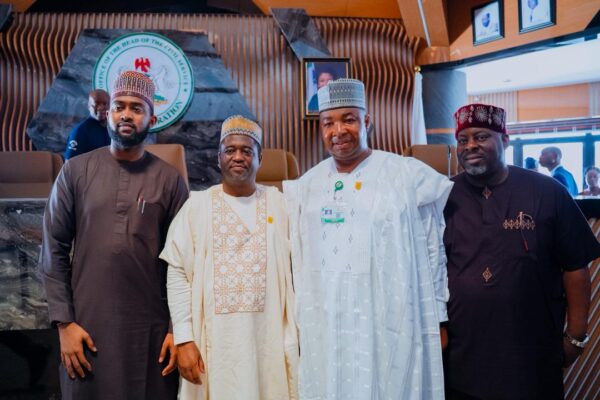
The Director-General and Chief Executive Officer of the National Institute for Hospitality and Tourism (NIHOTOUR), Abisoye Fagade, has commended the Federal Government for lifting the suspension on regulatory activities within Nigeria’s hospitality and tourism sector, describing the decision as a significant step towards revitalising the industry and advancing inclusive sector development.
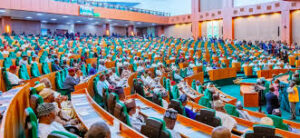
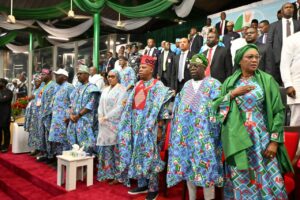
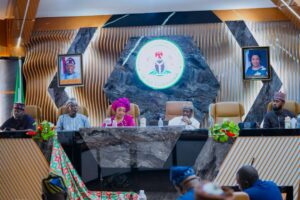
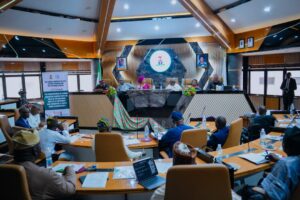
Mr Fagade made this known while speaking at the National Hospitality and Tourism Stakeholders Forum, organised by the Nigeria Tourism Development Authority (NTDA) in Abuja, under the theme “Shaping the Future of Nigerian Tourism Together.”
The forum brought together key stakeholders across the public and private sectors to deliberate on strategies for strengthening collaboration, improving standards, and driving sustainable progress within the industry.
He noted that the directive of the Minister of Art, Culture, Tourism and Creative Economy, Hannatu Musa Musawa, alongside the introduction of a concessionary framework offering discounts and flexible onboarding pathways, reflects a deliberate and strategic effort to deepen industry participation and enhance compliance.
According to him, the intervention aligns with the Renewed Hope Agenda of President Bola Ahmed Tinubu, which prioritises economic diversification, job creation, and the development of high-impact sectors such as tourism.
“This is not merely a regulatory adjustment. It is a forward-thinking strategy to reposition tourism as a key driver of national development. It demonstrates a strong commitment to inclusivity, sustainability, and global competitiveness,” he stated.
Mr Fagade further highlighted NIHOTOUR’s dual mandate as both a regulatory and developmental institution, emphasising its focus on building a skilled, certified, and globally competitive workforce to support the sector.
He disclosed that the Institute is currently deploying the National Registration Portal (NRP), a transformative digital platform designed to formalise the industry through the registration, certification, and verification of tourism practitioners and institutions nationwide.



 “The National Registration Portal is critical to addressing existing gaps in certification and compliance. It will improve service standards, strengthen industry credibility, and unlock economic opportunities for practitioners across the country,” he added.
Mr Fagade also acknowledged the leadership of the Director-General of the Nigerian Tourism Development Authority for convening the timely stakeholders forum, noting that such engagements are essential for fostering alignment and collective action across the sector.
He observed that a significant portion of Nigeria’s tourism workforce currently operates outside formal regulatory structures, a challenge that continues to impact service delivery and international competitiveness.
He therefore called on key stakeholders, including private sector operators, industry associations, and state governments, to take full advantage of the Federal Government’s concessionary framework and actively participate in the ongoing reform process.
Reaffirming NIHOTOUR’s commitment to enabling progress, Fagade stressed that regulation should be seen as a tool for advancement rather than a limitation.
“We are not here to restrict progress, but to enable it. We are not here to exclude, but to integrate. A well-regulated industry is one that attracts investment, creates jobs, and earns global recognition,” he said.
He concluded by urging sustained collaboration among stakeholders as a foundation for building a resilient, inclusive, and globally competitive tourism sector that reflects Nigeria’s rich cultural heritage and vast economic potential.
The National Institute for Hospitality and Tourism (NIHOTOUR), an agency under the Federal Ministry of Art, Culture, Tourism and Creative Economy, remains committed to strengthening professional standards, capacity development, and regulatory excellence within Nigeria’s tourism and hospitality industry.