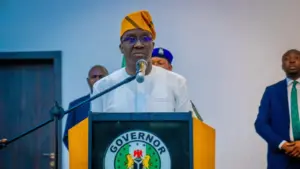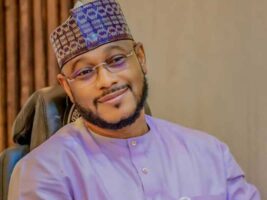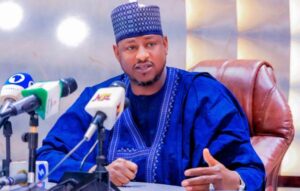
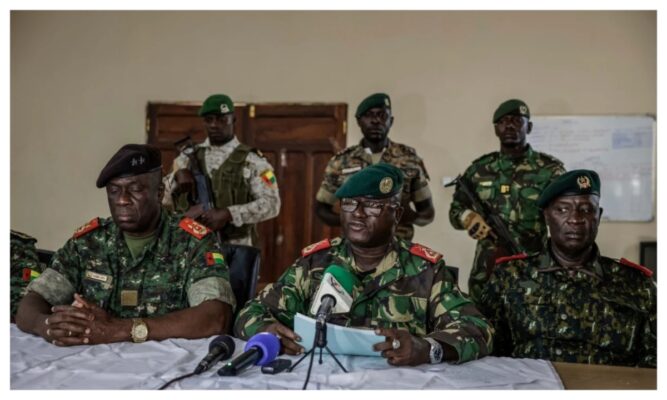
Guinea-Bissau’s military rulers have freed six opposition figures who were arrested in the aftermath of last month’s coup, describing the move as a gesture toward restoring constitutional order in the country.
The High Military Command, which is overseeing the transition after the takeover, announced on Tuesday that the detainees had been released as a “sign of good faith” and part of efforts to return the West African nation to civilian rule and respect for international norms.
Those freed are believed to be close allies of Domingos Simoes Pereira, leader of the African Party for the Independence of Guinea and Cape Verde (PAIGC), the party that led the country to independence in 1974. Pereira himself remains in detention following the coup.
The army seized power on November 26, removing President Umaro Sissoco Embalo shortly after a disputed presidential election. Following the takeover, the military suspended the electoral process and announced it would govern for a one-year transition period.
READ ALSO: Guinea-Bissau Military Takeover Is ‘Ceremonial Coup’, Jonathan Declares
Since then, several opposition leaders have either been detained or forced into exile.
Read Also
One presidential candidate, Fernando Dias, sought refuge at Nigeria’s embassy in Bissau, which granted him asylum, while Embalo fled the country after reportedly being briefly held by soldiers at the time of the coup.
Regional and international pressure has mounted on the junta to release political detainees and restore democratic rule.
On Sunday, Senegal’s Foreign Minister, Cheikh Niang, led a delegation to Guinea-Bissau, where he met with detained opposition figures and urged their immediate release.
The Economic Community of West African States (ECOWAS) has also warned it could impose targeted sanctions on individuals obstructing the country’s return to civilian governance.
Guinea-Bissau has a long history of political instability, having experienced multiple military coups and attempted uprisings since gaining independence from Portugal more than five decades ago.