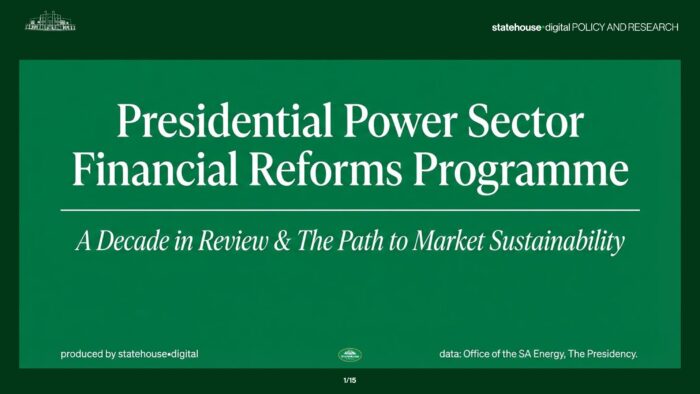
The Federal Government recently unveiled a 3.3 Trillion Naira payment plan of legacy debts in the power sector with many wondering it’s all about.
To many it’s another sign of confusion but to avoid confusion, here’s a clear 10 point breakdown of what the Federal Government is actually doing in Nigeria’s power sector.
1. It’s a full financial reset, not a bailout
The Federal Government says the reform is designed to fix deep-rooted financial issues in the electricity sector—not to simply pay off old debts without scrutiny.
ADVERTISEMENT
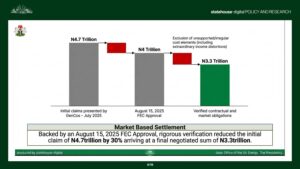
2. A massive ₦4.7 trillion backlog triggered the reforms
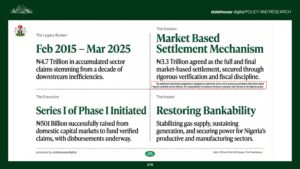
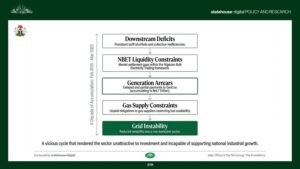
Between 2015 and 2025, the power sector accumulated about ₦4.7 trillion in claims across the value chain, prompting urgent intervention.
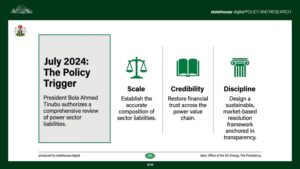
3. Bola Ahmed Tinubu ordered a full review
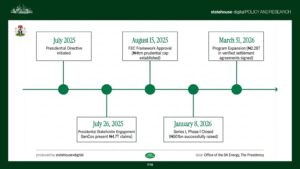
After a stakeholder meeting in July 2025, the President directed a comprehensive verification of all claims to ensure only legitimate obligations are honoured.
4. Claims were slashed by 30% after verification
ADVERTISEMENT
Following a detailed audit process, the initial ₦4.7 trillion claims were reduced to ₦3.3 trillion—reflecting only valid, contract-backed debts.
5. Government capped total exposure at ₦4 trillion
The Federal Executive Council approved a fiscal cap to limit government liability and prevent excessive financial strain.
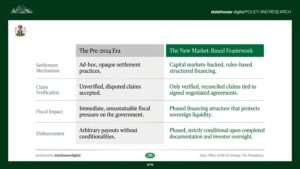
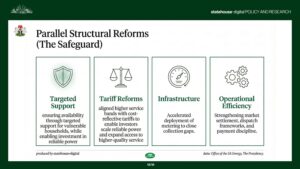
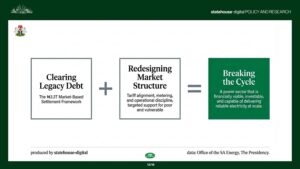
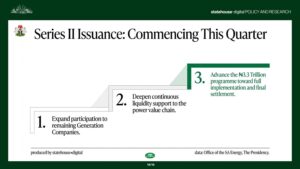
6. Payments are being made in phases—not all at once
To avoid fiscal pressure, the government is using a structured, market-based financing model instead of lump-sum payments.
ADVERTISEMENT
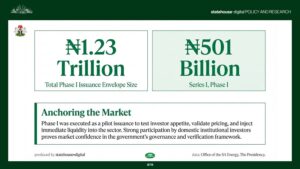
7. Over ₦500 billion already raised from investors
In January 2026, about ₦501 billion was raised from the domestic capital market under the first phase of the programme.
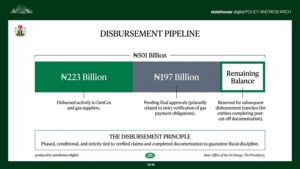
8. Billions already flowing to power and gas companies
₦223 billion has been paid to generation companies and gas suppliers
₦197 billion is currently being processed, mainly for gas-related obligations
ADVERTISEMENT
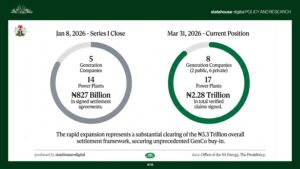
9. More power companies are signing on
By January 2026: 5 GenCos (14 plants) signed ₦827bn deals
By March 2026: 8 GenCos (17 plants) signed ₦2.28tn agreements
This shows growing buy-in across the sector.
10. It’s tied to broader reforms—not just debt payments
ADVERTISEMENT
The programme also includes:
Support for low-income households
Tariff adjustments for higher service bands
Measures to attract investment and improve power supply
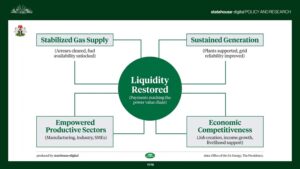
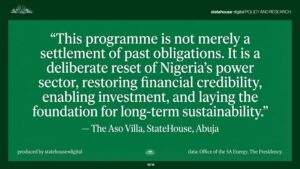
This isn’t a one-off intervention. It’s a long-term plan to restore liquidity, improve electricity reliability, and rebuild investor confidence in Nigeria’s power sector—while ensuring transparency and accountability at every stage.
ADVERTISEMENT