The Lagos State Chapter of the All Progressives Congress (APC) has watched with keen interest the renewed theatrics within opposition circles, particularly the much-publicised “coalition talks” being marketed as a grand strategy ahead of 2027.
Beneath the noise and contrived optimism, however, lies a fragile arrangement weighed down by personal ambitions, mutual distrust and irreconcilable contradictions.
What is presented as a coalition is, in reality, a gathering of serial presidential aspirants, each unwilling to subordinate personal interest to collective purpose.
From the outset, the group has lacked ideological cohesion, shared vision or moral unity beyond a desperate fixation on power.
Coalitions survive on compromise; this one is already suffocating under entitlement.
Recent public posturing has exposed the widening fault lines. Preconditions, ultimatums and thinly veiled threats have replaced genuine dialogue.
When prominent figures openly demand guaranteed presidential or vice-presidential tickets before committing to “alignment”, it becomes evident that this is not partnership but transactional bargaining — a venture likely to collapse at first contact with political reality.
The latest developments within the opposition camp are equally revealing.
Appeals to supporters of rival aspirants to refrain from attacking one another, while simultaneously advancing competing ambitions, reflect a house divided against itself.
A coalition that must plead for internal peace before establishing structure has already conceded to its own chaos.
The existence of multiple power centres within the same tent — each convinced of its inevitability — renders the project unsustainable. History is unkind to coalitions built on convenience rather than conviction, arithmetic rather than ideology.
Nigeria has witnessed such experiments before, and the outcome is always familiar: fragmentation, recrimination and eventual implosion.
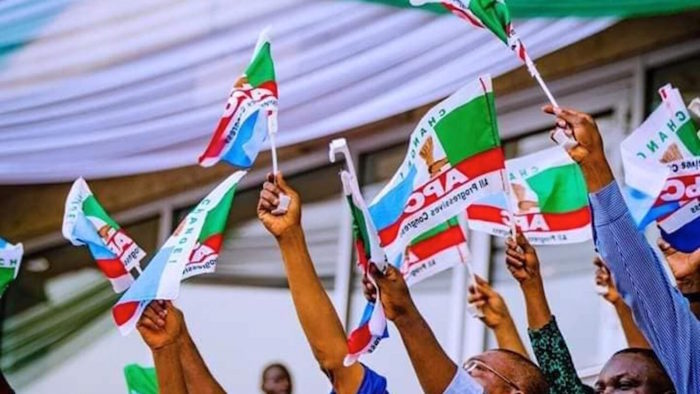
By contrast, the APC remains a tested platform with a proven capacity to manage diversity, resolve internal differences through established democratic processes, and present a coherent governance agenda.
While the opposition rehearses discord and manufactures outrage, the APC remains focused on governance, reform and consolidating the gains of the Renewed Hope Agenda under President Bola Ahmed Tinubu.
The 2027 election will not be decided by press conferences, social media theatrics or hastily assembled alliances of convenience.
Nigerians will choose stability over chaos, performance over propaganda, and clarity of direction over political opportunism.
As the countdown to 2027 continues, the question before the opposition is no longer whether to form a coalition, but whether such a coalition can survive its own contradictions.
The signs are unmistakable: what looms is not a formidable alternative, but an impending implosion.