The Federal Government has said Nigeria’s removal from the European Union (EU) list of high-risk countries for money laundering and terrorism financing will significantly improve financial and economic relations with Europe.
According to the government, the decision will reduce the strict regulatory hurdles that previously affected financial transactions between Nigeria and EU member states, making trade and investment easier.
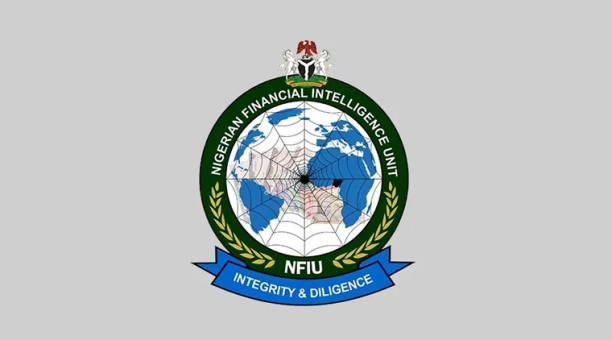
In a statement released on Friday by the Nigerian Financial Intelligence Unit (NFIU), authorities explained that Nigerian individuals, companies and financial institutions would no longer be subjected to the extra scrutiny usually imposed on countries considered high-risk.
The agency noted that the development would have immediate positive effects on international business dealings.
“This is expected to ease compliance burdens, support smoother cross-border financial flows, and enhance Nigeria’s attractiveness for trade, investment and financial partnerships with EU Member States,” the statement said.
READ ALSO: EU Removes Nigeria, Five African Countries from Financial High-Risk List
The NFIU added that the timing of the delisting was particularly important given current global economic challenges and increasing competition for foreign investment.
“In an increasingly competitive global trade environment, the delisting further strengthens Nigeria’s positioning as a reliable economic partner, reinforcing Europe’s role as a key destination for Nigerian exports and a source of investment and financial services,” it further stated.
Commenting on the achievement, NFIU Chief Executive Officer, Hafsat Abubakar Bakari, said the EU decision represented international recognition of Nigeria’s ongoing reforms in financial regulation and compliance.
“Beyond the immediate economic benefits, this outcome strengthens international confidence in Nigeria’s financial system and underscores our standing as a cooperative and responsible participant in the global financial architecture,” Bakari said.
Read Also
- EU Actively Supporting Nigeria's Fight Against Insecurity - Gautier Mignot
- FG, EU, Sign Agreements to Boost Local Manufacturing, Reproductive Health in West Africa
- EU Provides N320.5B Credit Line to Boost Nigeria’s Agricultural Sector
- EU commits €1.5M to support victims of Yelwata attack, other IDPs in Benue state
She explained that the NFIU had been at the forefront of efforts to strengthen the country’s anti-money laundering and counter-terrorism financing systems, while improving intelligence gathering and coordination among relevant agencies.
“This achievement is the product of collective national effort. While we welcome this progress, it also places a clear responsibility on all stakeholders to sustain momentum, guard against complacency and continue strengthening our systems in response to evolving financial crime risks,” she added.
The agency said it would continue to work with key international bodies, including the Financial Action Task Force (FATF), the Inter-Governmental Action Group against Money Laundering in West Africa (GIABA), and the European Union, to maintain and improve Nigeria’s compliance standards.
“This decision represents an important external validation of Nigeria’s steady progress in strengthening its AML/CFT/CPF framework. It demonstrates that consistent reforms, effective coordination and strong national ownership can translate into tangible international outcomes,” Bakari stated.
The European Commission, in its assessment, acknowledged that Nigeria and other delisted countries had strengthened their regulatory frameworks, closed major gaps and fulfilled commitments contained in their FATF Action Plans. These reforms led to their earlier removal from the FATF grey list in June and October 2025.
The NFIU credited the development to the political will of President Bola Ahmed Tinubu, noting that his administration had prioritised financial transparency, regulatory reforms and inter-agency cooperation.
It also recognised the contributions of the National Assembly, security and law enforcement agencies, regulatory bodies, the judiciary, the private sector and international partners toward achieving the milestone.
The agency reaffirmed its commitment to sustaining collaboration at home and abroad to protect Nigeria’s financial system.
As the country’s central body for receiving, analysing and sharing financial intelligence on money laundering and terrorism financing, the NFIU said it would continue to strengthen measures aimed at safeguarding the integrity of Nigeria’s economy.