
The Securities and Exchange Commission (SEC) disclosed that market capitalisation surged by 125 per cent between April 2024 and now, climbing from about N55 trillion to over N123.93 trillion.
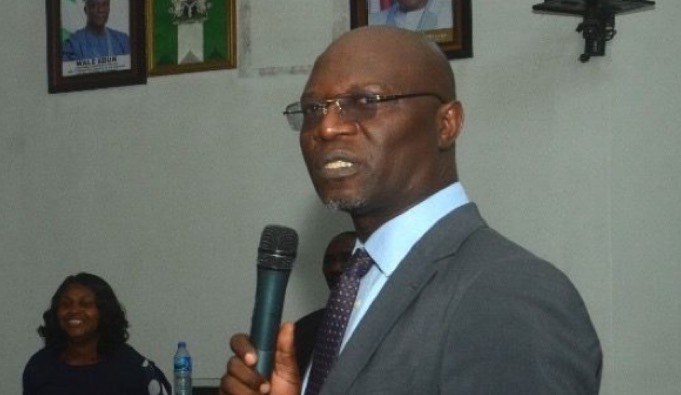
Director-General of the commission, Emomotimi Agama, revealed the figures in Lagos while addressing members of the capital market working group on market liquidity.
“Since this administration came into being in April 2024, we have seen market capitalisation grow from about N55 trillion to over N123.93 trillion,” Agama said.
He added that the market’s contribution to Nigeria’s Gross Domestic Product (GDP) also expanded significantly within the same period.
ADVERTISEMENT
READ ALSO: FCT Polls: Security, Electoral Officials Mobilise Early in Kuje
“Our contribution to GDP has moved from 13 per cent to 33 per cent. These are impressive figures, but they tell only part of the story.”
While describing the growth as evidence of rising investor confidence and market resilience, Agama cautioned that size alone does not define a healthy capital market.
“A capital market is often described as the barometer of an economy’s health. But for that barometer to be accurate, the market must be more than just large—it must be liquid,” he said.
According to him, weak liquidity can discourage investors who may worry about exiting their positions without causing price distortions.
Read Also
He stressed that improving liquidity would require product innovation, including accelerated development of derivatives and other asset classes to support hedging strategies and deepen trading activity.
ADVERTISEMENT
Agama also pointed to the newly enacted Investments and Securities Act (ISA) 2025, which expands SEC’s regulatory oversight to digital assets.
He said the move is aimed at channelling speculative interest into structured and regulated investment platforms.
“The capital market is not gambling; it is the engine of national development. It finances roads, powers factories and creates jobs,” he said.
The SEC chief urged the liquidity working group to propose bold and practical reforms that will support the Federal Government’s ambition of building a trillion-dollar economy.
Although the jump in market capitalisation and GDP contribution signals strong progress, Agama emphasised that the next phase of reform will prioritise depth, inclusiveness and global competitiveness.
ADVERTISEMENT
In his words, “the objective is to build a market that is not just bigger, but stronger and more efficient”.