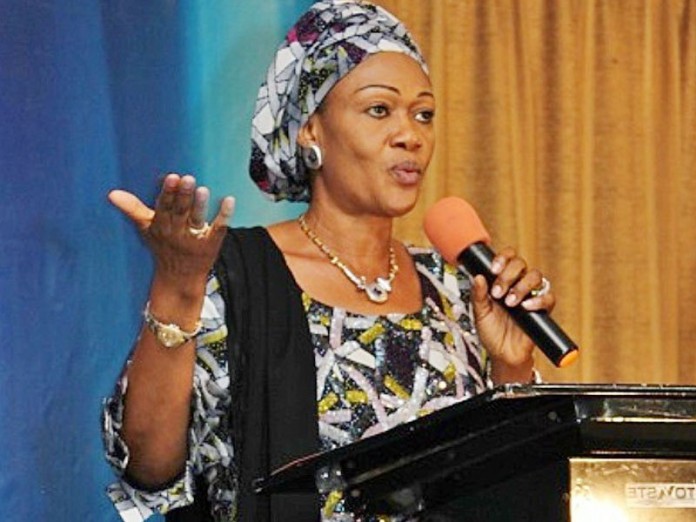
Nigeria has recorded over N65 billion in pledges from government and private sector stakeholders for a new national food intervention programme, as First Lady Oluremi Tinubu declared child malnutrition a critical threat to the country’s future.
The funds were mobilised at the launch of the National Community Food Bank Programme and inauguration of its Board of Trustees in Abuja on Thursday, marking a major push to address hunger and undernutrition among vulnerable children.
Warning that millions of children remain at risk, the First Lady stressed the urgency of coordinated action.
“Child malnutrition in Nigeria remains a pressing national priority, with millions of children in need of consistent access to the nourishment required for healthy growth and development. Each day of our inaction affects their health, growth, potential, and future. Therefore, addressing this issue is both urgent and essential to securing our nation’s future,” she said.
Mrs Tinubu, who personally donated N500 million, said the initiative aligns with the Renewed Hope Agenda of President Bola Ahmed Tinubu and is designed as a long-term solution.
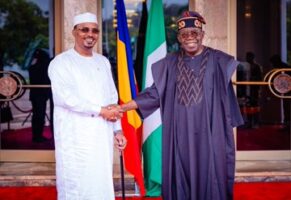
READ ALSO: PHOTOS: Tinubu Hosts Chad’s Counterpart Itno in Abuja
“The Community Food Bank Programme was conceived by us as sustainable response to bringing healthy and nutritious food within the reach of vulnerable children under six, strengthening community-based nutrition systems, and restoring hope where it is most needed,” she said.
She added that the programme would operate through partnerships with key institutions, serving as a link between food surplus and underserved communities.
“Our goal is to build a strong and effective food bank system in Nigeria that is supported through a well-structured trust fund, governed transparently, and capable of reaching communities and households across the country,” she stated.
Major contributions announced at the event included N20 billion from the Aliko Dangote Foundation, N10 billion from Nigerian National Petroleum Company Limited (NNPCL), N17 billion from the Federal Government, and a matching N17 billion pledge from the Nigeria Governors’ Forum.
Other donations came from the Sir Emeka Offor Foundation and anonymous contributors, with the First Lady urging broader participation from Nigerians.
“If a mother, even one Naira, is not too small, it all adds up. A little drop of water and a grain of sand make the mighty ocean,” she said.
Representing key donors, Managing Director of the Aliko Dangote Foundation, Zouera Youssoufou, said the intervention would directly confront food insecurity among children.
“This programme directly addresses food insecurity among vulnerable households, particularly children under six… Success means a Nigeria where no child goes to bed hungry,” she said.
Read Also
Similarly, NNPCL, represented by Sofia Mbakwe on behalf of Group CEO Bayo Ojulari, described its N10 billion pledge as a demonstration of “purposeful leadership.”
At the state level, Abdulrahman AbdulRazaq, speaking for the Nigeria Governors’ Forum, said subnational governments would match the Federal Government’s contribution.
“Across our states, we see the pressure many households face in accessing affordable and nutritious food… This is not only a health issue, but it’s a national issue,” he said.
Earlier, Coordinating Minister of Health and Social Welfare, Muhammad Ali Pate, described nutrition as foundational to public health.
“Health does not begin in hospitals alone. It begins in our homes, in our communities, and it starts with adequate nutrition. It’s a moral imperative that we ensure that no Nigerian child goes to bed hungry,” he said.
He disclosed that the Federal Government’s N17 billion support would be channelled through the Social Action Fund and implemented using the country’s primary healthcare system.
Minister of Agriculture and Food Security, Abubakar Kyari, highlighted the scale of the challenge, noting that about 12 million Nigerian children under five are stunted.
“The question, therefore, is not only about production, but connection,” he said.
Providing insight into the fund’s operations, Managing Director of the Bank of Agriculture, Ayodeji Sotinrin, said strict accountability measures had been put in place.
“No single person can authorize a disbursement… A minimum of three to five authorised trustees must co-sign every approval,” he said.
Also speaking, former Finance Minister and trustee of the programme, Mansur Mukhtar, said his involvement was driven by long-standing concerns about malnutrition.
He described the First Lady’s leadership as “empathetic and courageous,” driven by “relentless energy and dedication,” while calling for collective action across all sectors.
Mukhtar stressed that tackling food insecurity requires broad collaboration, urging governments, private organisations, and development partners to support the initiative.
He expressed optimism that sustained commitment would ensure that no Nigerian child goes to bed hungry while restoring hope to vulnerable families nationwide.