
Nigeria is embarking on what officials describe as the most comprehensive tax reform in decades, aimed at tackling systemic inefficiencies, promoting fairness, and positioning the economy for sustainable growth.
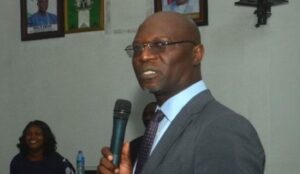
In his article, “A New Fiscal Dawn: How Nigeria’s Tax Reforms Are Laying the Foundation for National Renewal,” the Executive Secretary of the Joint Revenue Board, Olusegun Adesokan outlined the vision and objectives of the reforms, describing them as more than cosmetic changes.
“For the first time in a long while, we now have a coordinated framework that modernises our tax ecosystem and aligns it with global best practices,” he said.
Driven by President Bola Ahmed Tinubu, the reforms have already been anchored in four landmark laws: the Nigeria Tax Act, Nigeria Tax Administration Act, Nigeria Revenue Service (Establishment) Act, and the Joint Revenue Board of Nigeria (Establishment) Act.
Adesokan explained that these laws establish a unified legal and institutional structure, eliminating overlapping jurisdictions and duplicative levies that have long frustrated taxpayers.
“We are simplifying tax rules, tackling multiple taxation, strengthening administration, and promoting fairness,” he said.
READ ALSO: New Tax Reform Reflects Concerns I Raised 10-Years Ago- Governor Otti
One of the reform’s core goals is to make taxation transparent and equitable, particularly for small businesses and low-income earners who have often complained about multiple payments to different agencies.
To address this, the Joint Revenue Board has introduced the Model States Taxes and Levies Harmonisation Law, designed to guide state governments in aligning their systems with the national framework.
Read Also
“So far, twelve states have enacted their own versions of the harmonisation law, and several others are consulting stakeholders and moving through their legislative processes,” Adesokan said.
The reforms collapse nearly 60 taxes, levies, and charges into nine clearly defined categories, simplifying compliance and reducing confusion.
“We are addressing the long-standing complaints about the multiplicity of taxes and overlapping levies. The idea is to make the system clearer and more predictable,” he said.
Another major focus is the elimination of unauthorised collections, such as roadside levies and other cash-based payments that often foster corruption. By promoting electronic payments and standardising assessment and collection processes, the reforms aim to improve transparency and reduce leakages.
“The model law removes unauthorised roadside collections, curbs the activities of non-state revenue collectors, and promotes electronic payment channels. This will improve transparency and reduce leakages,” Adesokan noted.
Adesokan highlighted the link between tax clarity and economic growth, arguing that predictable taxation improves the business environment. “When taxes are clear, fair, and predictable, investors are more confident. The cost of doing business reduces, and that supports economic growth,” he said.
He also pointed out that public perception of taxation is gradually improving, with more Nigerians recognising that properly managed tax revenue funds essential services like roads, schools, and hospitals.
Ultimately, the reforms aim to create a coordinated, fair, and transparent tax system that encourages enterprise and supports national development.
“Our ultimate objective is to build a fair, transparent, and coordinated tax system that promotes enterprise and supports Nigeria’s long-term prosperity,” Adesokan said.