by Collins Nweke
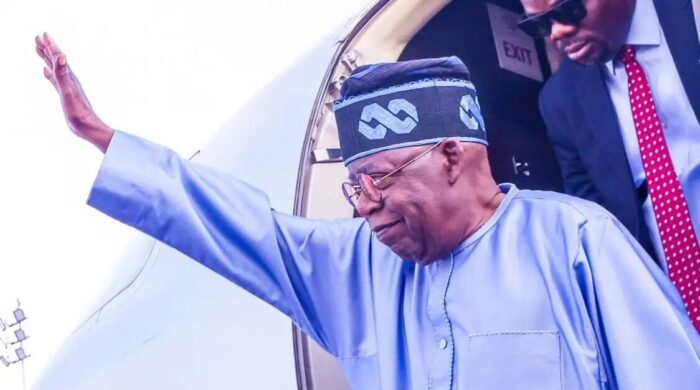
As President Bola Ahmed Tinubu undertakes another state visit, this time to the Republic of Türkiye, the familiar public debate resurfaces: Are Nigeria’s frequent high-level foreign engagements translating into tangible benefits for citizens?
This question deserves to be asked without cynicism and answered without defensiveness.
State visits remain indispensable instruments of modern diplomacy. In a global economy shaped by geopolitical competition, fragmented supply chains, and strategic realignments, leaders must be physically present where deals are made and alliances are shaped. But presence alone is insufficient. What ultimately matters is payoff.
Nigeria’s challenge, therefore, is not excessive diplomacy. It is the urgent need to deepen a culture of results-driven economic diplomacy.
From Ceremonial Engagement to Transactional Statecraft
Across successful middle-income economies, diplomacy increasingly functions as an extension of industrial and investment policy.
Presidential travel is expected to deliver:
READ ALSO: Tinubu To Depart Abuja On State Visit To Türkiye Monday
Nigeria must embed this logic more firmly into its diplomatic architecture.
Shuttle diplomacy should operate as a structured pipeline; from negotiation to project conception to implementation; rather than as isolated high-profile events.
How Government Can Build Public Confidence
Citizens are more likely to support foreign engagements when they clearly see their economic logic.
Four practical measures can help:
These steps convert diplomacy from abstraction into accountability.
Why Türkiye Matters Strategically
Türkiye is a manufacturing-driven economy with advanced capabilities in:
Read Also
For Nigeria, Türkiye represents a partner with complementary strengths rather than extractive interests.
What Nigeria Should Seek from the Visit
Security: Local assembly of defence equipment, drone technology partnerships, and training.
Education: Scholarships in applied sciences, joint research centres, and technical college partnerships.
Housing and Social Infrastructure: Pilot affordable housing projects and urban regeneration collaboration.
Innovation: Joint startup accelerators, fintech cooperation, and digital government platforms.
Aviation: Expanded air connectivity, MRO facilities, and aviation training centres.
Each area should produce at least one visible, bankable project.
Business Forum Must Yield Bankable Outcomes
The Nigeria–Türkiye Business Forum should move beyond networking.
Priority outcomes should include:
Announcing at least one confirmed flagship investment would immediately strengthen public confidence.
From Travel to Transformation
In today’s Nigeria, diplomacy must be judged by economic outcomes, not itineraries.
If presidential state visits systematically translate into investments, jobs, technology transfer, and improved security capacity, public skepticism will fade.
Presence must lead to payoff. Payoff must lead to productivity. And productivity must lead to prosperity. That is the standard Nigeria should now set for its diplomacy.