
The planned boycott of the Africa Energies Summit is deepening, with growing pressure on organiser Frontier Energy Network over allegations of discrimination, exclusion and disregard for African local content concerns.
What began as a protest is now escalating into a broader industry pushback. Mozambique’s oil sector has withdrawn participation, while petroleum ministers linked to the African Petroleum Producers Organization (APPO) have also stepped back, citing concerns over the treatment of Black professionals and what critics describe as a wider pattern of exclusion.
The African Energy Chamber (AEC) said the boycott should continue, accusing the summit organisers, led by Daniel Davidson, of failing to address concerns around representation and inclusion.
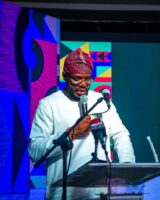
AEC Executive Chairman, NJ Ayuk, said the dispute had grown beyond a single event into a test of the industry’s commitment to African participation.
“Our narrative and voices matter. Any company that wants to operate in the continent with a mindset of excluding Africans will fail,” Ayuk said, adding that several ministers had backed the decision to stay away from the London-based summit.
The controversy comes at a time when African countries are intensifying efforts to strengthen local content policies and expand domestic participation in the oil and gas sector.
Across the continent, governments are embedding local content requirements into major projects. In the Republic of the Congo, energy firms have committed to training programmes aimed at equipping local workers, while Namibia has approved an upstream local content policy to guide inclusive sector growth.
Major projects such as the East African Crude Oil Pipeline, backed by TotalEnergies and China National Offshore Oil Corporation, have also incorporated employment, procurement and technology transfer frameworks to boost African participation.
Recent transactions further highlight the shift toward indigenous control, including Oando’s acquisition of operatorship in Angola’s Block KON 13 and Renaissance Africa Energy Holdings’ takeover of assets previously held by Shell in Nigeria.
In the gas sector, projects led by Equinor in Tanzania, as well as the Greater Tortue Ahmeyim development in Senegal and Mauritania, are incorporating local content frameworks that prioritise employment, training and community investment.
Observers say these developments underscore a broader continental push for inclusion and equity, further sharpening criticism of the Africa Energies Summit.
Ayuk also called on international oil companies, including ExxonMobil, Chevron, bp and Eni, to sustain their support for local content initiatives across Africa.
The AEC maintained that legacy producers such as Angola, Nigeria, Congo and Libya must continue to lead efforts to defend fair representation, while emerging producers including Liberia, Namibia, The Gambia and Sierra Leone should embed inclusivity into their petroleum frameworks from the outset.
The chamber said the message from the boycott campaign is clear: platforms perceived to exclude Africans risk losing relevance across the continent’s rapidly evolving energy landscape.