The Executive Chairman of the African Energy Chamber, NJ Ayuk, has called for a boycott of the Africa Energies Summit 2026, alleging discriminatory hiring practices against Black Africans, members of the diaspora and Arab professionals.
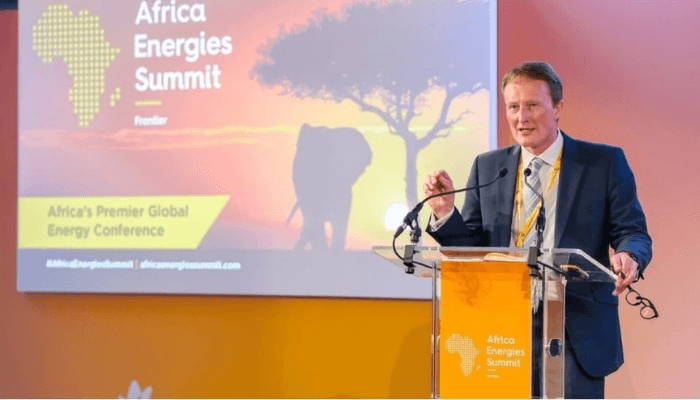
The summit, scheduled for May 11–14 in London, is a major global forum on Africa’s upstream oil and gas sector, attracting governments, investors and industry leaders.
Ayuk’s call has triggered a heated debate across the energy community, with stakeholders divided over issues of representation, inclusivity and control of Africa’s energy narrative.
In a strongly worded statement, Ayuk framed the issue as part of a broader structural imbalance in the global energy industry, arguing that African professionals remain underrepresented in decision-making platforms despite the continent’s significant resource base.
“Local content is an issue for me and many Africans… I am not going to back down,” he said, insisting that Africa must play a central role in shaping discussions about its own resources.
The controversy has reignited longstanding concerns that global forums on Africa’s natural resources are often dominated by institutions outside the continent, reinforcing perceptions of Africa as a resource base rather than an equal partner.
Supporters of the boycott say the stance reflects a growing push for stronger local participation, not only in project execution but also in global policy discussions, corporate governance and industry events.
They argue that meaningful inclusion would improve decision-making and ensure policies reflect African realities.
However, some analysts have cautioned that disengagement from influential platforms could limit opportunities for African countries and companies to influence investment flows and regulatory debates, particularly at a time of shifting global energy dynamics.
Industry voices have also called for evidence to substantiate the allegations, warning that the seriousness of the claims requires transparency and verification.
The debate has further highlighted tensions between Africa’s development priorities and global energy transition pressures, with many stakeholders emphasising the continued importance of oil and gas in supporting economic growth and energy access across the continent.
Ayuk said the chamber is mobilising stakeholders for what he described as a “massive boycott campaign,” targeting not only attendance but also corporate sponsorship of the event.
According to him, companies backing such platforms must be mindful of how their support aligns with Africa’s long-term development interests.
The dispute underscores a broader shift in Africa’s energy discourse, as governments and industry leaders increasingly demand greater ownership of the platforms that shape narratives around the continent’s resources.
While it remains unclear how widely the boycott will be adopted, the controversy has amplified calls for more inclusive global forums and a stronger African voice in defining the future of its energy sector.